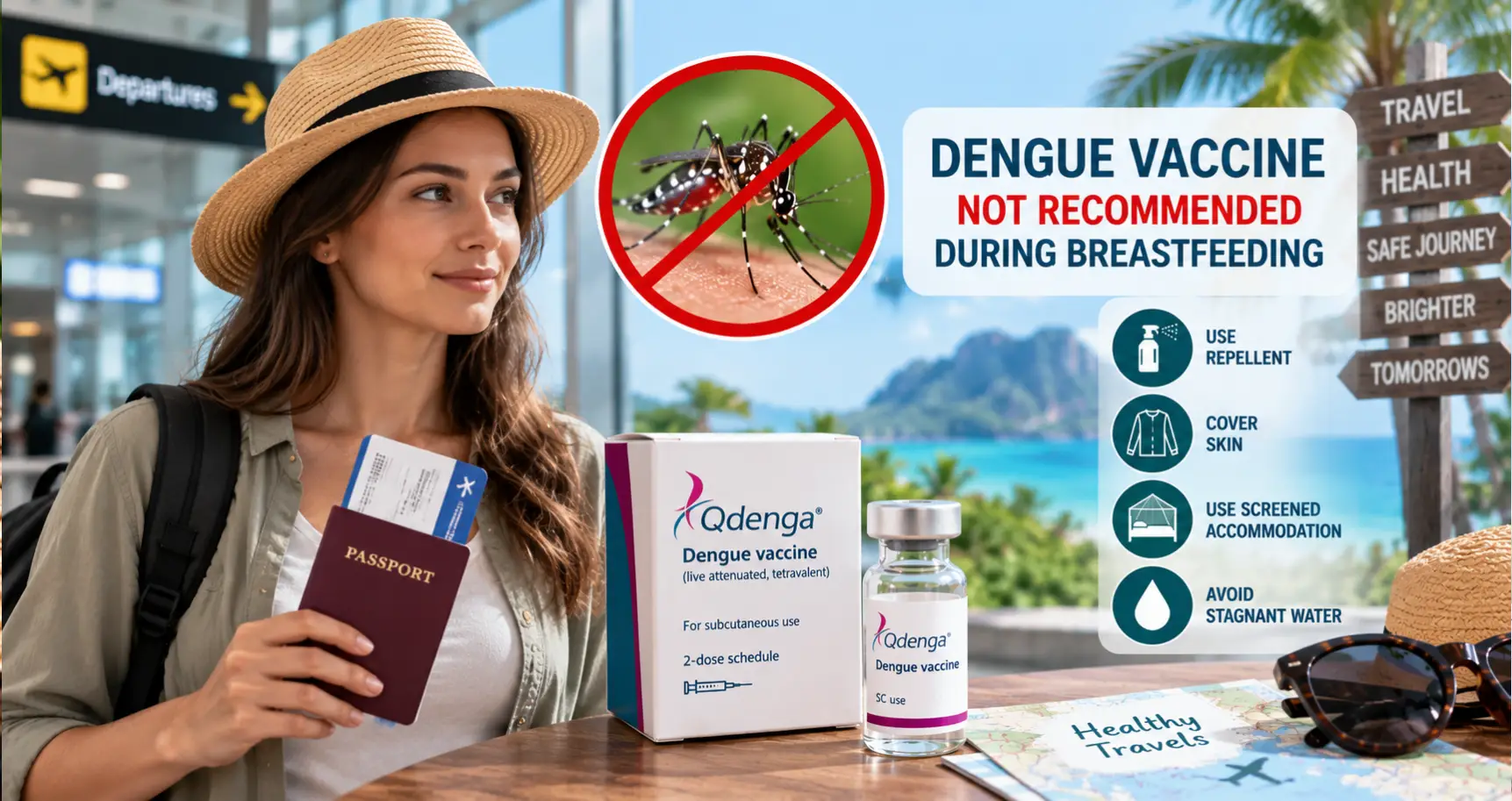
If you are pregnant and hepatitis A vaccination is being considered, pregnancy is not an automatic reason to rule the vaccine out. Hepatitis A vaccines used in the UK are inactivated. UKHSA’s Green Book says hepatitis A-containing vaccines may be given during pregnancy when clinically indicated and states that there is no evidence of risk from vaccinating pregnant or breastfeeding people with inactivated viral or bacterial vaccines or toxoids.
The decision should still be individual. A healthcare professional should consider your travel or exposure risk, previous vaccination, allergies, current health, medicines or treatment that may affect your immune response, and the exact vaccine product. TravelJabs4U can help you find participating clinics, but the selected clinic or pharmacy is responsible for the clinical assessment and vaccination decision unless its listing states a different verified relationship.
Who may need hepatitis A vaccination?
Hepatitis A vaccination is recommended for some travellers and for some people with other exposure risks. For travel, the need depends on the destination and itinerary rather than pregnancy alone. UK guidance recommends hepatitis A vaccination for travellers aged one year and over going to areas of high or medium hepatitis A endemicity, with the final recommendation based on an individual risk assessment.
If you are deciding whether vaccination is relevant for a trip, review the destination, length of stay, planned activities, accommodation, food and water exposure, previous doses and health history. For the separate cost, service and booking intent, use the Hepatitis A vaccine cost and travel-clinic guide.
Is hepatitis A vaccination safe during pregnancy?
The hepatitis A vaccine is an inactivated vaccine; it does not contain live hepatitis A virus that can cause hepatitis A. UKHSA states that hepatitis A-containing vaccines may be given to pregnant women when clinically indicated.
That does not mean every pregnant traveller should automatically be vaccinated. The clinician should weigh the risk of exposure and the potential consequences of infection against the need for vaccination in your circumstances. TravelHealthPro similarly advises that pregnancy should not preclude medically indicated non-live vaccines and recommends an individual risk-and-benefit assessment for travel vaccination.
What about hepatitis A vaccination while breastfeeding?
Breastfeeding is not listed by UKHSA as a reason to withhold hepatitis A vaccination when it is clinically indicated. The Green Book states that there is no evidence of risk from vaccinating people who are breastfeeding with inactivated viral or bacterial vaccines or toxoids.
You should still tell the healthcare professional that you are breastfeeding so they can confirm the exact product and check any other relevant clinical factors.
Who should not have hepatitis A vaccination or may need to delay it?
The main contraindications in UK guidance relate to severe allergy. A hepatitis A-containing vaccine should not be given to someone who has had a confirmed anaphylactic reaction to a previous hepatitis A-containing dose or a confirmed anaphylactic reaction to a component of the vaccine.
A minor illness without fever or systemic upset is not, by itself, a reason to postpone vaccination. If you are acutely unwell, vaccination may be delayed until you have recovered. This helps avoid confusing symptoms of the illness with possible vaccine reactions.
If a previous reaction is unclear, or you are unsure whether an ingredient caused a severe allergy, do not self-exclude or assume the vaccine is safe. The clinician should check the exact product information and seek appropriate advice where needed.
Who needs extra clinical assessment?
Some people can receive hepatitis A-containing vaccines but need additional assessment because the expected immune response or the choice of product may differ. UKHSA states that people with immunosuppression or HIV infection can be vaccinated, although their antibody response may be lower and specialist advice or re-immunisation may sometimes be required.
Tell the clinician about immune conditions, HIV, medicines or treatments that suppress the immune system, previous serious vaccine reactions, significant allergies and relevant long-term conditions. Some hepatitis A formulations also contain phenylalanine, so people with phenylketonuria (PKU) should make the clinician aware so the exact product information can be checked.
Pregnancy, age and other health considerations
Pregnancy and breastfeeding require a risk-based discussion, not a blanket yes-or-no rule. For children, hepatitis A vaccines are available from one year of age, but product-specific age bands differ. Older age is not a general contraindication, although hepatitis A itself tends to be more severe with increasing age, making an individual risk assessment especially important.
Long-term conditions do not all have the same effect on vaccination. The healthcare professional should consider the condition itself, any treatment that may affect immunity, previous vaccine history and the reason vaccination is being considered.
What if vaccination is not suitable today?
If you are acutely unwell, the appointment may be postponed until you recover. If there is a confirmed severe allergy to a previous dose or a vaccine component, routine vaccination with that product should not proceed without appropriate clinical advice.
If timing is the issue rather than a contraindication, a clinician can review what is still appropriate before travel and how later doses should be scheduled. For dose intervals, delayed second doses and long-term protection, see how long the hepatitis A vaccine lasts.
Food and water hygiene can reduce exposure risk, but it should not be treated as a substitute for vaccination when vaccination is recommended. If vaccination cannot proceed and exposure risk remains significant, seek individual travel-health or specialist advice.
How a participating clinic assesses eligibility
At a participating clinic, the healthcare professional responsible for your appointment should assess the information needed to decide whether hepatitis A vaccination is appropriate. This commonly includes:
· your destination, itinerary, travel dates and likely exposure risk;
· your age and previous hepatitis A or combined-vaccine doses;
· pregnancy or breastfeeding status;
· severe allergies and any previous vaccine reactions;
· long-term conditions, immune conditions, HIV and relevant medicines or treatment;
· whether you are currently unwell; and
· the exact vaccine product, its licensed age range, ingredients and precautions.
The clinician can then explain the recommendation, timing and any precautions before consent. If you want to arrange an assessment, you can find a participating travel clinic. Availability and clinical suitability are confirmed by the selected clinic.
Keeping this guide separate from cost and booster information
This page is intentionally limited to pregnancy, breastfeeding, eligibility and safety assessment. It does not reproduce the full price, booking, course or booster information owned by other TravelJabs4U pages. Use the hepatitis A commercial owner for current service and booking information, and the separate duration guide for long-term protection questions.
Frequently asked questions
Who should not have hepatitis A vaccination?
Hepatitis A-containing vaccine should not be given to someone with a confirmed anaphylactic reaction to a previous hepatitis A-containing dose or to a vaccine component. If there is uncertainty about a previous reaction or an ingredient, the clinician should check the exact product information and seek appropriate specialist advice rather than making assumptions.
Is hepatitis A vaccination safe during pregnancy or breastfeeding?
UKHSA states that hepatitis A-containing vaccines may be given during pregnancy when clinically indicated and that there is no evidence of risk from vaccinating pregnant or breastfeeding people with inactivated viral or bacterial vaccines or toxoids. The decision should still follow an individual risk-and-benefit assessment, including the exposure risk and the exact vaccine product.
Can children or older adults have hepatitis A vaccination?
Hepatitis A vaccines are available for children from one year of age, but the licensed age range depends on the exact product. Older age is not, by itself, a general contraindication. A clinician should choose an age-appropriate product and consider the person’s travel or exposure risk, medical history and previous vaccination.
What happens if I have an allergy or long-term health condition?
Tell the clinician about severe allergies, previous vaccine reactions, immune conditions, HIV, long-term illnesses and relevant treatment before vaccination. Some people with immunosuppression or HIV can receive hepatitis A-containing vaccines but may have a weaker immune response and may need specialist advice. The exact vaccine ingredients and product information should also be checked when relevant.
Next steps
If hepatitis A vaccination may be relevant to your travel or exposure risk, arrange an individual assessment and bring any vaccination records you have. If you are pregnant, breastfeeding, immunosuppressed, living with HIV, have had a serious vaccine reaction or have a complex medical history, mention this before vaccination so the exact product and timing can be reviewed.
For private hepatitis A vaccination information, see the Hepatitis A vaccine cost and travel-clinic guide.
Disclaimer
This page provides general UK travel-health information and does not replace an individual clinical assessment. Vaccine recommendations and suitability depend on the exact product, destination or exposure risk, age, previous vaccination, pregnancy or breastfeeding status, allergies, medical history and current treatment. A booking request does not guarantee vaccination, stock, appointment availability or clinical suitability. Seek urgent medical help for symptoms of a severe allergic reaction.
Clinical review status: Final-copy reviewer evidence has not been supplied. Do not publish until clinical sign-off is recorded.