Visiting family in India can call for different vaccination and travel-health preparation from a short sightseeing holiday. A UK resident staying with grandparents, relatives or friends for several weeks may share everyday routines, visit smaller communities or spend more time outdoors. None of those circumstances automatically makes a home unsafe, but each can change exposure to infections.
Check your routine UK immunisations and discuss hepatitis A and typhoid before travelling. Other vaccines, malaria tablets and mosquito precautions depend on exactly where you will stay, how long you will be there, your age, previous vaccinations and medical history. Having grown up in India or visiting regularly does not guarantee continuing protection.
This guide focuses on the practical decisions involved in visiting relatives in India, rather than repeating a general country vaccination checklist.
Does Visiting Family in India Change Your Vaccination Advice?
Yes. A family visit can change your exposure profile because the length of your stay, daily activities and access to healthcare may differ from those of a short tourist trip. UK travel-health professionals describe people travelling to visit friends and relatives as VFR travellers. This is a diverse group: it can include people born in India, UK-born children meeting grandparents and partners travelling with their families.
Is Staying With Relatives Different From Staying in a Hotel?
Staying in a family home is not inherently risky; what matters is the individual accommodation and how you spend your time. For example, a modern city apartment with reliable water and insect screening may present different practical issues from a longer stay in a rural district where healthcare is harder to reach. Eating at home does not eliminate the possibility of contaminated food or water, just as staying in a hotel does not guarantee safety.
Do You Still Need Travel Advice if You Were Born in India?
Yes. Previous residence, a family connection or repeat visits do not guarantee that you are protected against infections now. Your childhood vaccination record may be incomplete, your medical circumstances may have changed and any partial natural immunity to certain infections can decline after years living elsewhere.
For the broader country-wide recommendations, review travel vaccinations for India together with your actual itinerary and immunisation history.
Which Vaccinations Should You Check Before Visiting Relatives in India?
Most family visitors should review routine UK vaccinations, hepatitis A and typhoid; additional vaccines are assessed according to personal exposure and the journey. A vaccination consultation should establish what you have already received before deciding whether you need any further doses.
| Vaccine or protection | Why it may matter during a family visit |
|---|---|
| Routine UK immunisations | Check age-appropriate protection, including measles and tetanus-containing vaccines. |
| Hepatitis A | Recommended for previously unvaccinated visitors because infection can spread through contaminated food, water or close contact. |
| Typhoid | Recommended for most travellers, particularly people visiting relatives or staying longer. |
| Hepatitis B | Relevant when medical or dental treatment, blood or body-fluid exposure, longer stays or other risk factors are possible. |
| Rabies | Consider children, animal encounters, long stays and difficulty reaching urgent treatment after a bite. |
| Japanese encephalitis | May be considered for prolonged, repeated or higher-exposure rural visits, including some seasonal settings. |
Why Are Hepatitis A and Typhoid Important for Family Visits?
Both infections can be acquired through contaminated food or water, so vaccination and everyday hygiene work together rather than replacing each other. Hepatitis A vaccination is recommended for previously unvaccinated travellers to India. Typhoid vaccination is recommended for most visitors, with particular emphasis on family visits, young children, longer stays and places where sanitation may be less reliable. The vaccines do not prevent every cause of travellers’ diarrhoea.
When Might Hepatitis B Vaccination Be Relevant?
Hepatitis B vaccination may be considered when the trip creates a possible exposure to infected blood or certain body fluids. For example, someone with a higher likelihood of medical or dental treatment abroad, a healthcare worker or a long-stay traveller may need additional advice. Hepatitis B does not spread through ordinary family meals, handshakes or sharing a household.
Do You Need Every Vaccine Mentioned in an India Guide?
No. A country’s full list of vaccines is not a personal prescription or an entry requirement for every visitor. Your clinician should weigh destination, age, medical history, previous doses, duration and activities against current UK recommendations. Detailed vaccine schedules and prices are better checked on their dedicated pages.
How Do Longer and Repeat Family Visits Affect Travel-Health Risks?
Longer or repeated visits can create more opportunities for exposure, so a two-month family stay may require a different assessment from a one-week visit. The key issue is not a single fixed duration threshold for every disease. It is the combination of time, locations and activities.
| Family-visit example | Useful questions for the travel consultation |
|---|---|
| One week at a city home | Are routine vaccines up to date? Has hepatitis A and typhoid protection been reviewed? |
| Three weeks split between city and village | What is the food and water situation? Will there be more mosquito or animal exposure? |
| Two months with relatives | Does duration change rabies, hepatitis B or Japanese encephalitis assessment? |
| Regular visits each year | Which courses are already completed, and has the itinerary changed? |
| School-holiday travel with children | Are age-specific vaccines, bite precautions and medical access appropriate? |
Does Visiting India Every Year Mean You Are Immune?
No. Regular travel is not proof of immunity to typhoid, malaria, hepatitis A or other travel-related infections. Earlier vaccine records may mean some protection is already in place, but the correct conclusion comes from your individual history rather than how familiar the trip feels.
Do Longer Visits Change the Need for Specialist Vaccines?
They can. Extra time in rural settings, outdoor activities or limited access to treatment may increase the case for considering selected vaccines. Japanese encephalitis and pre-exposure rabies vaccination are examples, but neither should be added automatically to every long-stay traveller’s list.
What Should Parents Check Before Children Visit Family in India?

Children need an age-specific review of their UK immunisations and any travel-related vaccines, as well as practical plans for food, water, insect bites and animal contact. A child born in the UK may have a different vaccination history from older relatives living in India.
What if a Child’s NHS Vaccine Record Is Missing or Incomplete?
The GP practice or another qualified immunisation professional can review the available history and advise on catch-up vaccination. Bring the NHS record, any vaccination cards from previous countries and details of vaccines given privately. Do not assume an incomplete course must always be restarted.
Are Babies and Toddlers More Vulnerable on Family Visits?
Young children may be less able to describe symptoms and can become dehydrated more quickly when unwell. Plan safe drinking water and feeding arrangements, appropriate mosquito protection and access to medical help. Vaccine eligibility also differs by age; an adult product or schedule must not be assumed suitable for a baby.
What Animal Precautions Should Families Explain to Children?
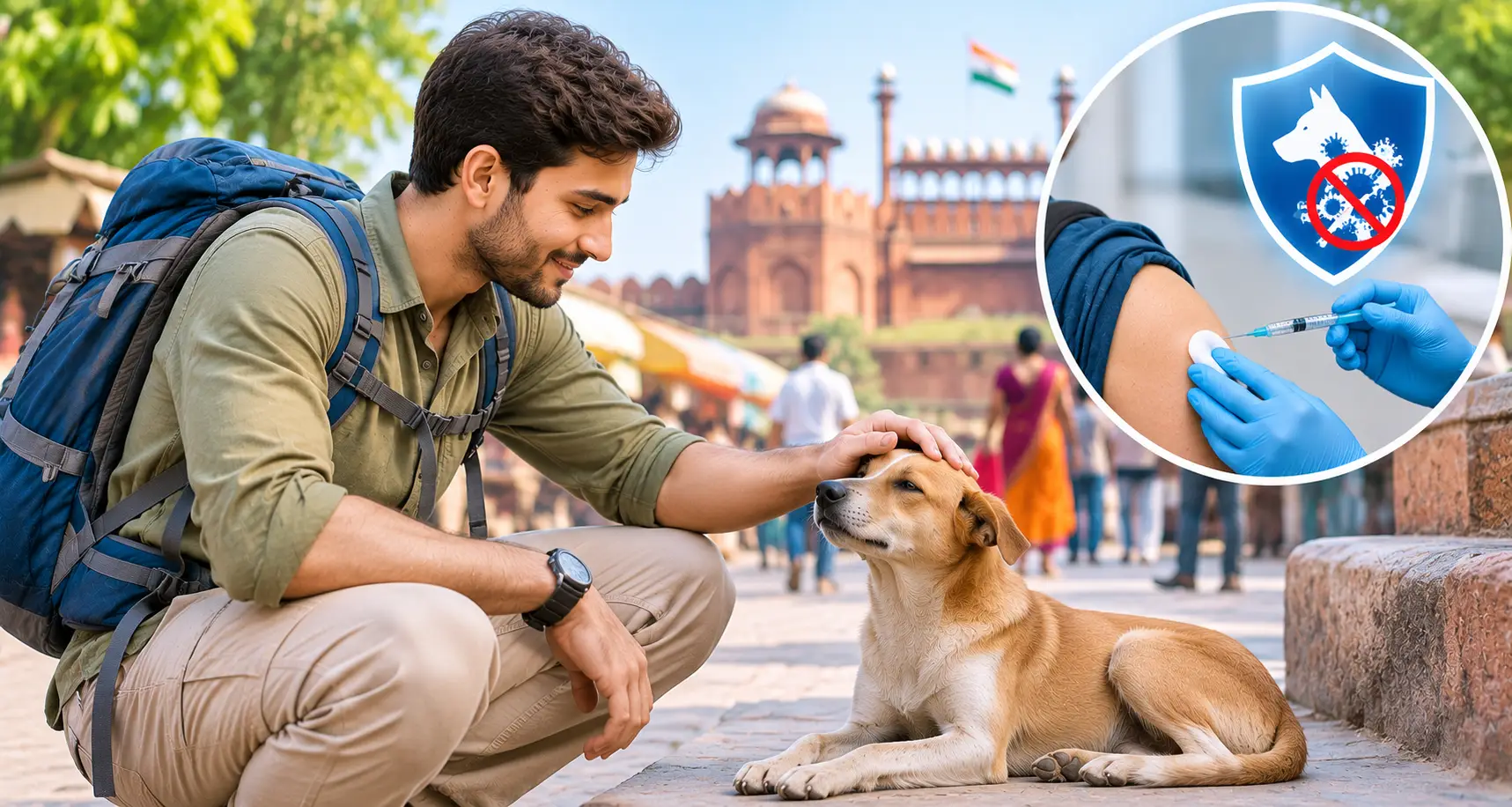
Children should be taught not to approach, feed or stroke unfamiliar dogs, monkeys or other mammals, even when local people regularly see those animals. Ask children to report any bite, scratch or saliva contact immediately. If exposure occurs, wash the area thoroughly with soap and running water and obtain urgent medical assessment, even if the child had rabies vaccination before travel.
What Food and Water Precautions Matter in a Family Home?
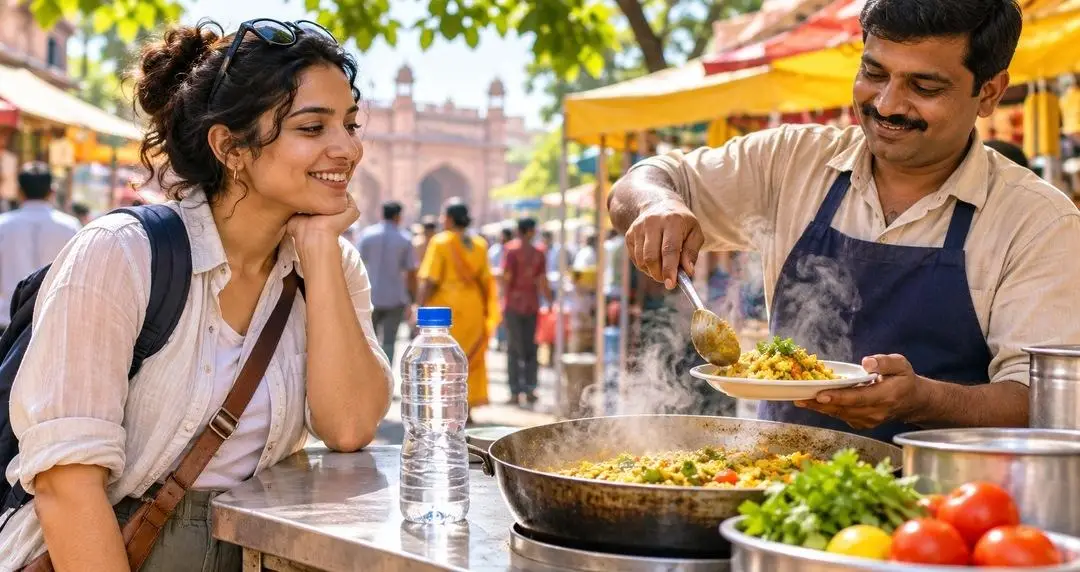
Food and water safety depend on preparation and treatment practices, not whether a meal is homemade or served in a restaurant. A family home can provide excellent food hygiene, while food from any setting can become unsafe if cooking, handwashing, storage or drinking-water treatment is inadequate.
Is Home-Cooked Food Safe for UK Visitors?
Freshly cooked food served hot is generally a sensible choice, provided it is prepared and stored hygienically. Wash hands before eating, take care with food kept unrefrigerated for long periods, and be cautious with uncooked foods washed in uncertain water. Familiar meals do not provide immunity against foodborne infections.
Can You Drink Tap Water While Staying With Relatives?
Use drinking water known to be safe, such as properly treated or appropriately boiled water, rather than assuming a household tap or filter is effective. Check water used for ice, preparing infant feeds and washing foods eaten raw. The exact treatment needed depends on the water source and method; avoid relying on improvised chlorine quantities.
Can You Still Get Typhoid After Vaccination?
Yes. Typhoid vaccination reduces risk but does not offer complete protection or prevent all other gastrointestinal infections. Continue food and hand hygiene throughout the visit, including when eating with family.
Does Visiting a Village or Rural District Change the Advice?
It can, because mosquito habitats, animal contact, road access and medical facilities differ across India, but a rural address alone is not a diagnosis of higher risk. Ask about the actual district, living conditions, season and planned activities rather than using ‘rural India’ as a substitute for a proper assessment.
Do Long-Stay Family Visitors Need Malaria Tablets?
Not everyone does: under current UK guidance, malaria tablets are recommended for travel to Mizoram, Odisha and Tripura, while most other areas have low listed risk. In lower-risk areas, tablets may still be considered in exceptional circumstances for certain long-stay VFR travellers or people at greater risk of severe malaria. A clinician should make that decision using your exact destinations and medical history. Mosquito-bite prevention remains important regardless of tablet advice.
Is Japanese Encephalitis Relevant to a Rural Family Stay?
It may be if you will spend prolonged or repeated periods in affected rural areas, particularly around rice fields, wetlands or outdoor evening activities. Travelling during a season of increased mosquito activity can also change the discussion. An ordinary short city visit has a different exposure profile.
What Should You Know About Medical Access Outside Major Cities?
Specialist care and emergency treatment may be harder to reach in some remote areas, so identify a realistic route to help before you travel. Ask relatives about travel times to suitable medical facilities, not merely whether there is a nearby pharmacy. Keep insurance and emergency contact details available.
How Can You Prevent Mosquito-Borne Illness During Family Visits?
Mosquito avoidance matters even where malaria tablets are not routinely advised, because dengue and chikungunya also occur in India. Mosquitoes that transmit dengue commonly bite in daytime, while malaria-transmitting mosquitoes predominantly feed between dusk and dawn. Protection must therefore extend beyond bedtime.
Are City Homes Free From Dengue Risk?
No. Dengue can affect people in towns and cities as well as other locations. Use suitable repellent, clothing that covers exposed skin, window screens and other practical bite precautions. Do not assume that a modern apartment or an urban address eliminates mosquito exposure.
Should Your Family Use Mosquito Nets or Repellent?
Appropriate repellent and bite-resistant sleeping arrangements can reduce exposure, especially where rooms are not well screened. Choose products and methods suitable for each traveller’s age and circumstances; ask for specialist advice for babies, pregnancy or complex medical conditions.
Should You Consider Rabies Vaccination When Visiting Relatives?
Rabies pre-exposure vaccination may be appropriate when the visit involves long stays, possible animal contact, young children or difficulty accessing prompt treatment. An individual assessment is more useful than assuming that staying with relatives either removes or creates risk.
What if There Are Stray Dogs or Monkeys Near the Home?
Avoid close contact with unfamiliar animals and do not feed or handle them. If an animal bites or scratches someone, or saliva reaches broken skin or a mucous membrane, wash the area immediately and seek urgent local medical advice. Pre-travel vaccination does not remove the need for post-exposure care.
Can a Previous Rabies Vaccine Replace Emergency Care?
No. Previously vaccinated people still need immediate wound cleaning and urgent post-exposure assessment. Their treatment regimen may differ from that of someone who was never vaccinated, but that decision belongs to the treating clinician.
Does Having Lived in India Before Mean You Are Protected?
No. Previous residence does not guarantee lasting immunity, and family background is not a reliable substitute for a vaccination record. Returning adults, UK-born children and people making frequent visits should all be assessed for their present circumstances.
How Can You Check an Uncertain Vaccination History?
Start with GP and NHS records, personal vaccine cards and any documented doses received abroad. A qualified clinician can decide which vaccinations or tests are appropriate when records cannot be found. There is no need to assume that everyone requires the same antibody tests.
Is It Different for British Indian Families?
The same clinical principles apply to all UK travellers: recommendations depend on history and exposure rather than ethnicity. The practical difference is that a family visit may involve more local contact, a longer stay or several destinations, so those details deserve explicit discussion.
When Should You Arrange Vaccination and Travel-Health Advice?
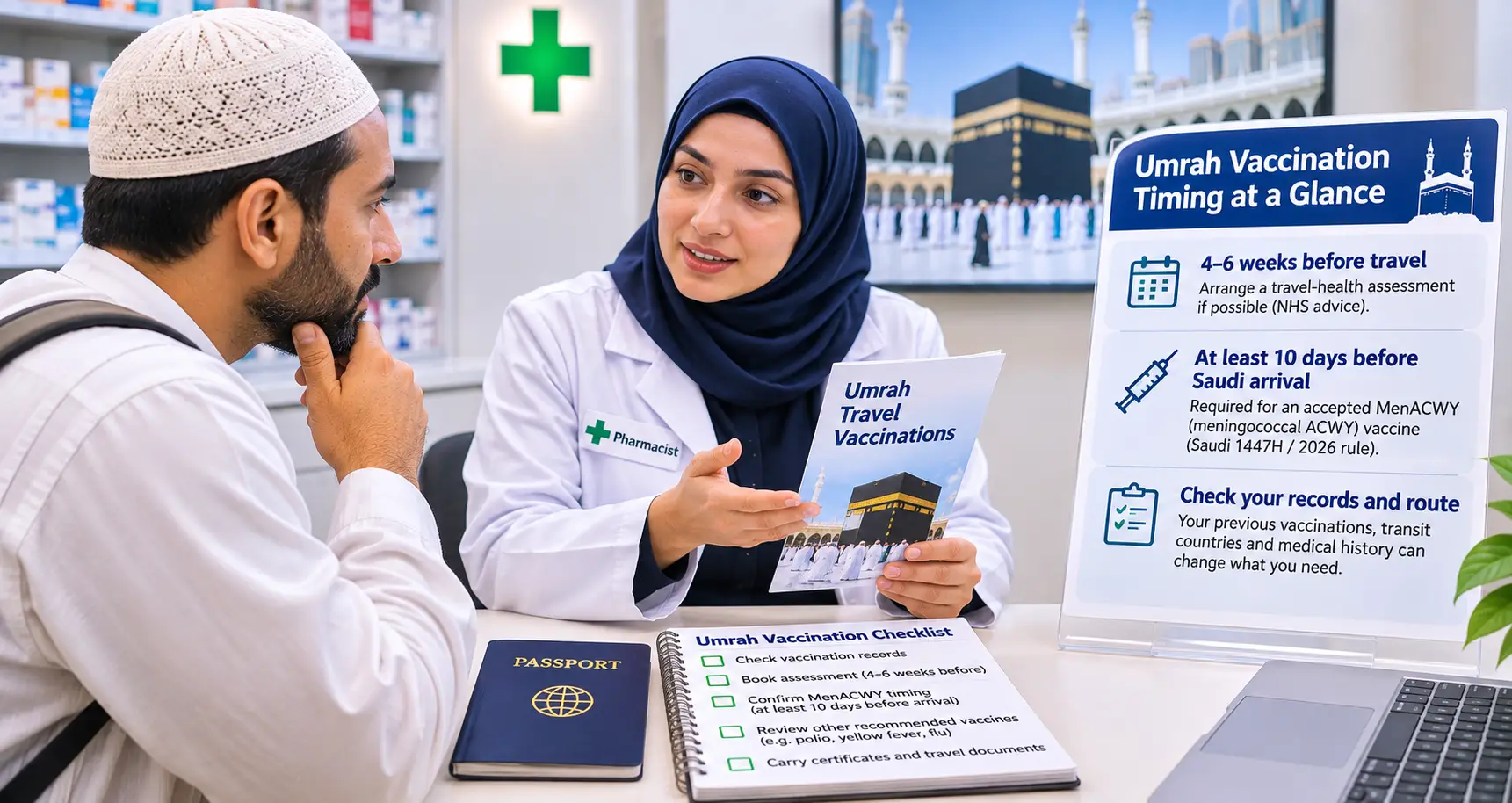
Aim to seek travel-health advice at least four to six weeks before leaving the UK, and earlier if anyone has complex medical needs or requires a multi-dose course. If plans change or a family emergency makes travel urgent, a last-minute appointment can still help with feasible vaccinations, bite prevention and health planning.
What Should You Bring to the Appointment?
Bring travel dates, states and districts, an account of accommodation and activities, records for everyone travelling, and a list of medicines and medical conditions. Tell the clinician whether anyone is pregnant, immunosuppressed, elderly or particularly young, because advice may differ.
Can You Get Travel Vaccinations Free on the NHS?
Some travel vaccinations, including hepatitis A and typhoid, may be available free through an NHS GP service after risk assessment; others are generally paid for privately. If you need information about private options or individual vaccine fees, consult hepatitis A vaccine guidance without assuming that one price applies to every clinic.
How Should Families Prepare for Healthcare and Insurance in India?
Arrange appropriate travel insurance and identify how to obtain care if illness or injury occurs, even when relatives can offer accommodation or practical support. Medical facilities and access to specialised treatment vary across India, and some serious conditions require prompt assessment.
What Medicines Should You Pack?
Carry sufficient supplies of your regular prescribed medicines, with appropriate documentation and advice about transport and storage. Check destination restrictions before departure, especially for controlled medicines. Families travelling with children should also discuss suitable fever and rehydration supplies with a pharmacist or clinician.
When Should You Seek Help for Illness During or After Travel?
Seek prompt medical advice for serious or persistent symptoms, and tell the clinician that you have recently visited India. Fever after a visit to a malaria-risk area needs urgent assessment, including after returning to the UK. Severe dehydration, blood in diarrhoea, confusion or breathing difficulty also warrants prompt medical care.
What Should You Check Before Leaving the UK?
A short, personalised checklist is more useful than assuming every family member requires the same vaccine package. Confirm the following before travel:
- Review routine immunisations and previous travel-vaccine records for adults and children.
- Discuss hepatitis A, typhoid and any exposure-specific vaccines with a qualified clinician.
- Share exact states, districts, dates, activities and likely accommodation arrangements.
- Check regional malaria advice and pack suitable mosquito-bite prevention.
- Agree on safe drinking-water arrangements and food hygiene for children and adults.
- Explain animal safety and know the urgent steps after a bite or scratch.
- Prepare medicines, travel insurance and a plan for medical care.
Families visiting several countries in the region may also need to consider travel vaccine questions when visiting family in South Asia because the risks and recommendations can differ between countries.
Next step: Use the TravelJabs4U clinic directory to explore travel-health consultation options. Individual clinics confirm services, appointments, vaccine suitability and charges.
Frequently Asked Questions
Do I Need Vaccinations to Visit Family in India From the UK?
You should review routine UK vaccines and discuss hepatitis A, typhoid and any additional risk-based protection before visiting relatives in India. The recommendations depend on your vaccination history, locations and activities rather than the reason for travel alone.
Do British Indians Need Travel Vaccinations When Returning to India?
Yes, they may. Having lived in India previously or visiting regularly does not guarantee current immunity. A clinician should check documented protection and your upcoming itinerary.
Does Staying With Relatives Change Vaccine Recommendations?
It can, especially when the stay is longer, involves rural activities or makes animal, mosquito or food-and-water exposure more likely. A well-equipped family home is not automatically riskier than a hotel.
Which Vaccines Should UK-Born Children Have Before Visiting Grandparents?
Children should be up to date with their age-appropriate UK immunisations and receive a separate travel risk assessment. Additional vaccine suitability depends on age, history and itinerary.
Is Typhoid Vaccination Recommended for Visiting Family in India?
Yes. Typhoid vaccination is recommended for most travellers to India and is especially important to discuss for VFR trips. Food and water precautions are still necessary after vaccination.
Do Long-Stay Family Visitors Need Malaria Tablets?
Not automatically. Malaria prevention depends on the specific Indian states visited and the traveller’s personal risk. Current UK guidance recommends tablets for Mizoram, Odisha and Tripura and considers selected higher-risk individuals elsewhere.
Can I Drink Tap Water in a Family Home?
Only use water known to be safe or treated appropriately for drinking. Do not assume that every tap or household filter removes all infectious risks; take extra care with ice, infant feeds and uncooked foods.
Does Visiting India Every Year Make Me Immune?
No. Repeated travel is not evidence of reliable immunity to malaria, typhoid or hepatitis A. Your clinical history and vaccine records should guide the advice.
Is Rabies Vaccination Needed When Staying With Relatives?
It may be, especially for longer stays, children, animal exposure or limited access to urgent medical care. Anyone bitten or scratched needs prompt wound washing and medical assessment even if previously vaccinated.
Are Travel Vaccinations Free on the NHS?
Some are. NHS GP services may provide hepatitis A, typhoid, cholera and combined tetanus-diphtheria-polio vaccination after assessment. Others, including rabies and hepatitis B for travel, generally need private funding.
How Early Should I Book a Travel-Health Appointment?
Ideally at least four to six weeks before departure, earlier for complex itineraries. If the visit is unexpectedly soon, a last-minute assessment is still worthwhile.
About the Author