Introduction
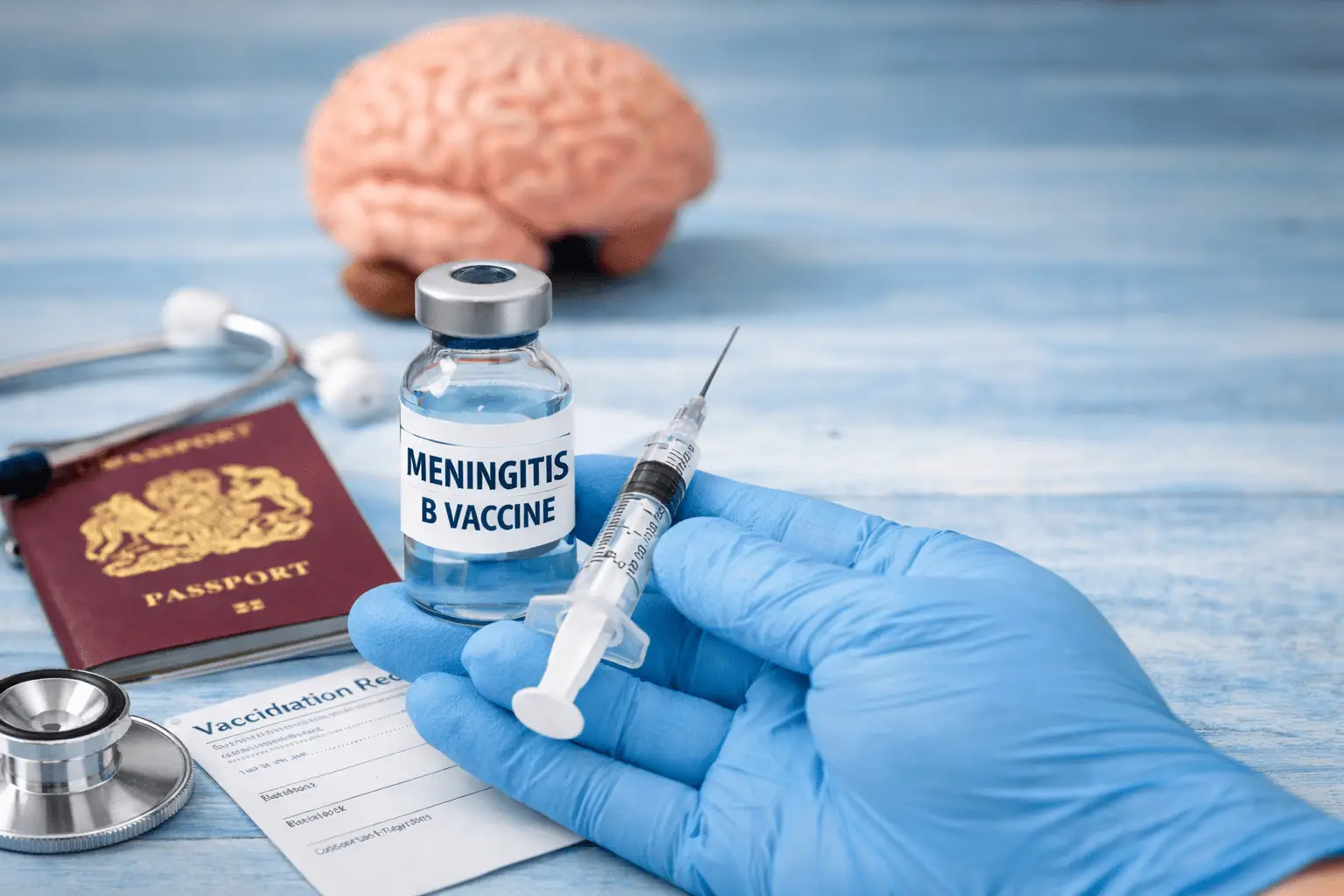
The meningitis C vaccination helps people in the UK defend against a potentially life-threatening disease. The Meningitis C vaccine UK program has greatly reduced meningococcal disease, especially among young children and young people. Parents, adults, and travelers must understand the vaccination schedule, availability, and safety.
Meningitis severely infects the membranes surrounding the brain and spinal cord. Without timely protection, this disease can cause serious complications or prove fatal. In this guide, you will learn who should receive the meningitis C vaccination, when it is given, and how it helps to prevent this serious infection.
Meningitis C Vaccination Price in the UK
Eligible individuals typically receive the Meningitis C vaccination free of charge on the NHS through the national immunization program.
Nonetheless, there are some cases when the private expenses can be used:
- Missed childhood doses
- Adult catch-up vaccinations
- Travel-related vaccination needs
In the UK, the cost in the private clinics can be:
- Vaccine dose fee
- Vaccination consultation fee
Private clinic price
£40–£100
Included cost type
Dose fee
Additional cost
Consultation
Prices vary, but most clinics charge between £40 and £100 based on the clinic and service package.
Most people who follow the NHS vaccination schedule do not need extra private doses unless a doctor recommends them.
What is Meningitis C Vaccination?
Before understanding who should receive the vaccine, it’s important to know what the Meningitis C vaccination is and how it works.
The Meningitis C vaccination protects against a specific type of meningitis caused by meningococcal group C, a bacterial infection responsible for severe illness.
Meningitis C may grow rapidly and cause:
- Brain damage
- Septicemia (blood poisoning)
- Death in extreme cases
The vaccine trains the immune system to identify and eliminate the bacteria before they can cause any damage. The NHS reports that vaccination has significantly decreased meningococcal group C disease cases in the UK.
Incidence:
NHS -Meningitis vaccination
Because this severe disease can strike without warning, vaccination is especially important for vulnerable groups and provides necessary early defense.
Meningitis C Vaccine UK Schedule
Officials design the Meningitis C vaccine age and vaccination schedule to provide early and lasting protection.
Routine UK Schedule:
For young children:
- At 12 months: Hib/MenC (combination protection) vaccine.
For young people:
- Around 14 years of age: MenACWY vaccine (school-based program)
This approach protects infants and boosts immunity during adolescence, when risk peaks.
According to NHS guidance:
The schedule will be planned to:
- Protect at the most vulnerable stages
- Provide long-term immunity
- Reduce community transmission

Booking your vaccination with Travel Jabs 4 U
If you need a private meningitis C vaccination, Travel Jabs 4 U offers:
- Premier travel health consultations
- Quick and easy-going booking
- Access to adult and traveler vaccines
- Professional and controlled clinical environments
Their services help people who have missed NHS vaccinations or plan to travel abroad and need vaccinations.

Booking your vaccination with Travel Jabs 4 U
Their services help people who have missed NHS vaccinations or plan to travel abroad and need vaccinations.
Vaccines against Meningitis in the UK
There are several vaccines in the UK that help protect against different types of meningitis:
Hib/MenC Vaccine
- Protects against meningococcal group C and Haemophilus influenzae type b (Hib)
- Given at 12 months
- Part of normal childhood immunization
2. MenACWY Vaccine
- Protects against groups A, C, W, and Y
- It is given to teenagers and young people
- It is critical for long-term protection
3. 6-in-1 Vaccine
- Given in infancy
- Prevents a variety of infections, including Hib
4. Other Vaccines
Incorporates MMR vaccines and other immunizations that facilitate the general health
Each vaccine plays a unique role, and together they provide comprehensive protection against meningitis.
Learning about the available vaccines raises the question: Who should receive them? With these vaccines in mind, let’s discuss the groups recommended to receive them.
Who should receive the vaccine?
The recommendation for the Meningitis vaccine for adults and children in the UK is based on age, health conditions, and vaccination history.
Recommended groups:
Infants and Early Childhood:
Routine Vaccination Hib/MenC
Teenagers (around 14 years):
MenACWY vaccine included in school program
Adults:
- Those who were not vaccinated previously
- Individuals in high-risk groups
Students and Travelers:
- The ones who live in shared accommodation, especially
- Traveling to risky areas
Vaccinating young people is important due to a greater risk from social mixing and close-contact settings.
Set-Booster and Long-term Protection
Vaccination does not always give lifelong immunity; booster doses maintain protection over time.
Key points:
- Early childhood vaccines are the ones that offer initial protection
- Immunity may decrease with time
- The MenACWY vaccine is used as an adolescent booster
This structured approach provides continued protection even into adulthood.
Side Effects and Safety
The Meningitis C vaccination is widely recognized in the UK for its strong safety profile. Like any vaccine, it can cause mild, temporary side effects, which are normal as the body develops immunity.
Common side effects
Most people experience only minor symptoms after the meningitis C vaccination, which usually resolve in a few days.
These include:
- Soreness, redness, or swelling at the injection site.
- Mild fever
- Fatigue or feeling slightly unwell
In young children, there may be short-term irritability or loss of appetite—normal signs of the immune system’s response.
Rare side effects
Serious reactions occur extremely rarely. In very uncommon cases, someone may have an allergic reaction (anaphylaxis) shortly after vaccination. In the UK, trained medical professionals administer vaccines in regulated clinical environments and can provide immediate treatment if needed.
Experts conduct tests before and after the NHS introduces meningitis vaccines to ensure safety and effectiveness. They follow rigorous safety standards through continuous monitoring.
Source:
NHS – Vaccine safety
Reassurance on safety
The immunization program has greatly decreased meningitis C cases in the UK. Most side effects remain temporary and mild, without lasting health impact.
The benefits of getting the Meningitis C vaccination far exceed the risks. It offers crucial protection against a life-threatening infection and remains a safe, highly recommended choice for eligible individuals.
Availability in the UK (NHS vs Private)
The Meningitis C vaccine UK is sold in large quantities via:
NHS vaccination programme
- Free to qualified groups
- Provided through GP surgeries and schools
Private clinics
- Available as an adult or missed doses
- Flexible appointments
Why You Need Meningitis Vaccination
Meningitis is a disease and a life-threatening infection, which can lead to:
- Brain inflammation
- Permanent disability
- Hearing loss
- Death
The disease may develop quickly, as quickly as in a few hours.
Vaccination best protects individuals and society by preventing infection. Immunizing children early reduces outbreak chances and safeguards vulnerable groups.
Latest News and New Developments
By July 2024, the UK vaccination program will still focus on:
Government health representatives continually update and ensure the schedule remains efficient.
FAQs
When was the meningitis C vaccine introduced?
2. Is there a meningitis C vaccine?
3. Does the meningitis C vaccine last forever?
4. When is the meningitis C vaccine given?
5. What are the two vaccines that should not be given at the same time?
6. Is MENACWY identical to meningitis C?
7. Is there a meningitis outbreak in London?
8. Do adults need a meningitis vaccine booster?
9. Does everyone get the meningitis vaccine in the UK?
10. What is the age group most affected by meningitis?
11. Which body organ does meningitis attack first?
12. Is the meningitis vaccine really necessary?
Conclusion
The Meningitis C vaccination remains one of the most effective ways to guard against this serious and potentially deadly infection. With a well-organized vaccination schedule, strong safety record, and wide availability through the Meningitis C vaccine program in the UK, the positive impact of this vaccine is clear.
Whether for young children, teenagers, or adults requiring catch-up doses, vaccination provides essential protection and peace of mind. If you are unsure about your vaccination status or need private access, professional services such as Travel Jabs 4 U can help you stay protected.
Medical information on this page has been reviewed for accuracy and updated for 2026. Guidance, vaccination timing, and travel health recommendations are checked regularly in line with current UK travel health standards. Final advice is always provided following an individual consultation.