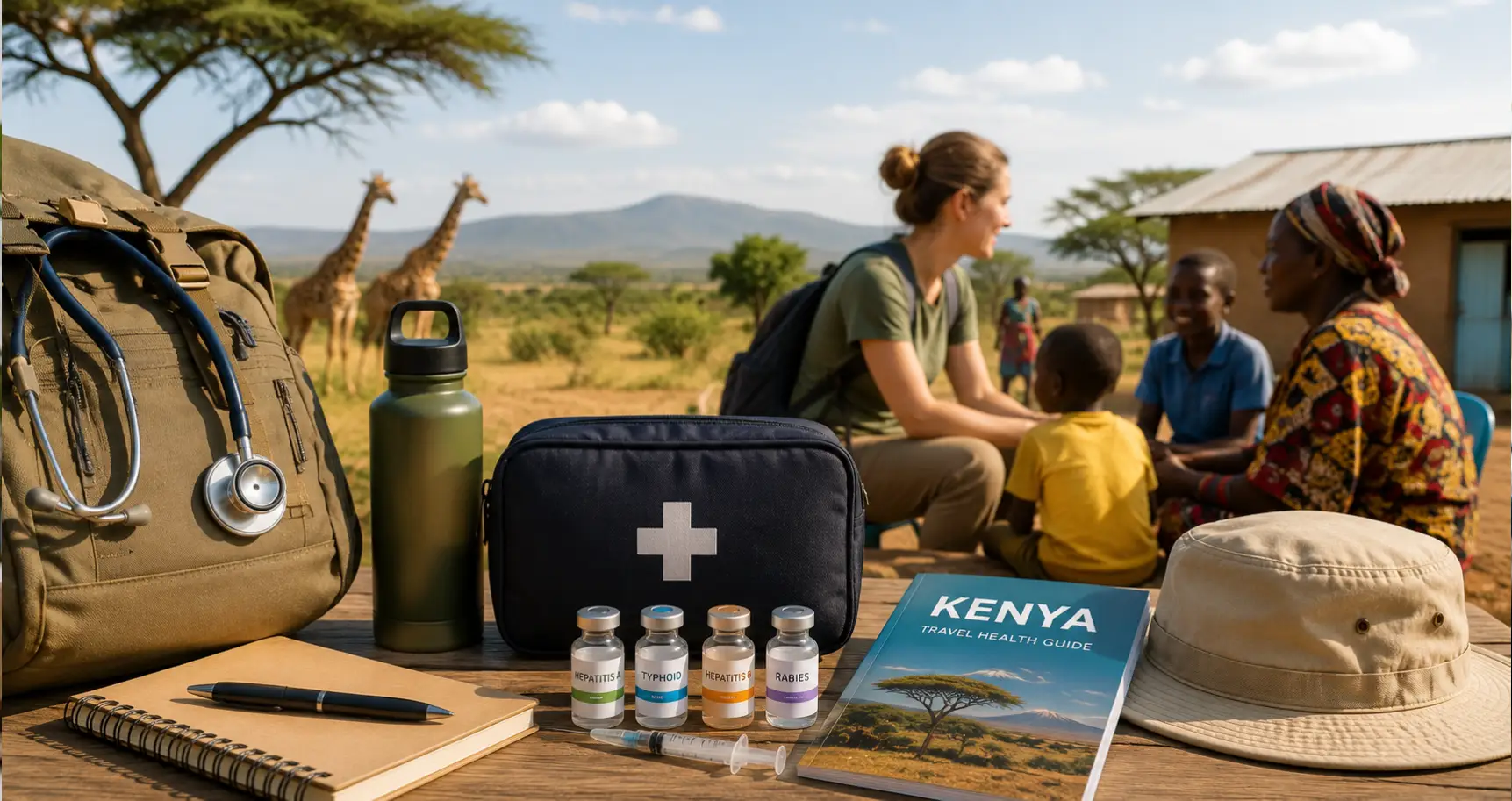
If you want to know how to get the Hepatitis B vaccine in the UK, the right route depends on why you need it. Babies receive Hepatitis B protection through the routine NHS vaccination programme. Adults at higher medical or exposure risk may be vaccinated through NHS or specialist services, people at occupational risk should normally use their employer or occupational-health route, and travellers who need Hepatitis B vaccination will usually arrange it privately through a travel clinic, pharmacy travel-health service or participating GP service.
For travel, Hepatitis B vaccination is not automatically needed for every destination or every traveller. Current UK guidance bases the decision on the country, length of stay, activities, possible blood or body-fluid exposure, medical or dental treatment abroad and individual health factors. A travel-health assessment can confirm whether vaccination is relevant and which schedule is appropriate.
Guidance checked: 20 August 2026. This page explains access and booking routes. It does not duplicate the separate price or vaccine-duration guides.
The Main Ways to Get the Hepatitis B Vaccine in the UK
The most appropriate route usually falls into one of four groups:
· NHS or specialist care — for babies and people who meet NHS clinical or higher-risk criteria.
· Occupational health — when your work creates a recognised risk of exposure to blood or body fluids.
· Sexual health services — for some people whose risk relates to sexual exposure.
· Private travel vaccination — when vaccination is recommended for travel and is not provided free for that travel indication.
If you are unsure which route applies, start with the reason you need the vaccine rather than simply searching for the nearest appointment.
Who Can Get the Hepatitis B Vaccine on the NHS?
The NHS gives Hepatitis B-containing vaccine to babies as part of the routine childhood immunisation programme. It also recommends Hepatitis B vaccination for people at higher risk of infection or serious complications. The appropriate NHS route can depend on the type of risk.
Examples include some people with liver or kidney disease, HIV, household or sexual exposure risk, people who inject drugs and other higher-risk groups. If your need is related to a medical condition, household contact or another non-travel risk, speak to your GP surgery or specialist team. If the risk is sexual, a sexual-health service may be the appropriate route.
Travel-only Hepatitis B vaccination is different. The NHS travel-vaccination guidance lists Hepatitis B among vaccines that are not routinely free for travel, so travellers who need it will usually pay privately.
How to Get the Hepatitis B Vaccine for Travel
For travel, first check whether your itinerary creates a meaningful Hepatitis B risk. UKHSA guidance highlights higher-risk travel situations such as longer stays in areas with higher prevalence, healthcare or relief work, possible medical or dental procedures abroad, sexual exposure, injecting-drug exposure and activities with a realistic chance of contact with blood.
If vaccination is appropriate, you can usually arrange it through a private travel-vaccination clinic, a pharmacy with travel-health services or some GP surgeries that provide private travel vaccines. The NHS advises seeking travel-health advice several weeks before departure where possible because some vaccines require a course of doses.
For private planning, check the Hepatitis B vaccine cost guide for current pricing information, then find a travel clinic or book a travel vaccination appointment. Prices, stock, appointment times and the exact clinical service can vary by clinic, so confirm these with the selected provider before attending.
How to Get the Vaccine Through Occupational Health
If your job creates a risk of contact with blood, blood-stained body fluids or contaminated sharp instruments, speak to your employer or occupational-health service before arranging a private travel appointment. NHS and UKHSA guidance specifically places work-related vaccination with the employer or occupational-health pathway.
This is particularly relevant to healthcare and laboratory staff and can also apply to other roles after a workplace risk assessment. Occupational-health programmes may have their own documentation, blood-test and evidence-of-immunity requirements, so bring any previous vaccine records or antibody results.
How to Book Privately Through TravelJabs4U
TravelJabs4U provides travel-health information, a clinic directory and booking routes to participating clinics. The selected clinic or pharmacy is responsible for the clinical assessment, vaccine supply and administration; TravelJabs4U should not be described as owning or operating every listed clinic.
A practical private-booking route is:
1. Check why you need Hepatitis B vaccination and whether travel, work or another clinical route is more appropriate.
2. Review your previous vaccination record and any previous Hepatitis B blood-test results.
3. Use the clinic directory to choose a participating provider and check the clinic-specific service information.
4. Review the Hepatitis B vaccine cost guide for current price information without assuming one national price.
5. Use the booking route or the selected clinic’s current contact method to request an appointment.
6. Confirm the final price, number of visits, stock or availability, any consultation or blood-test fees and what records you need to bring.
A booking request does not guarantee that a vaccine dose, booster or blood test will be clinically indicated or available on the requested date. The final plan depends on your history, reason for vaccination, risk assessment and the selected clinic’s current service.
What Happens at a Hepatitis B Vaccine Appointment?
The clinician or pharmacist should review why you need vaccination, your age, medical history, medicines, allergies, pregnancy or breastfeeding where relevant, previous Hepatitis B doses and any blood-test results. For travel, they should also review your destination, departure date, length of stay and planned activities.
Hepatitis B vaccination is usually a multi-dose course. The exact schedule depends on the vaccine product, age, clinical reason and how quickly protection is needed. NHS guidance notes that faster schedules are available in some circumstances, but these can include a later dose to complete longer-term protection. Follow the schedule given by the clinician and the product information rather than copying a timetable from another person.
What If You Started a Hepatitis B Course but Did Not Finish It?
Do not assume that an interrupted course must be restarted. Current UKHSA Green Book guidance says that when a primary Hepatitis B course is interrupted it should generally be resumed rather than repeated from the beginning. The next dose should be planned from your documented history and the schedule being used.
Bring any vaccination card, GP record, occupational-health record, university documentation or previous clinic paperwork you can find. If your records are uncertain, a clinician can decide whether further doses, testing or another approach is appropriate.
How Early Should You Arrange the Vaccine Before Travel?
Arrange a travel-health assessment as early as practical. The NHS recommends getting travel-vaccination advice around 4 to 6 weeks before travel where possible because some vaccines need several doses or time to build protection.
If you are travelling sooner, still seek advice rather than assuming it is too late. A clinician can review whether a faster licensed schedule is appropriate, what can realistically be completed before departure and what remaining doses are needed afterwards. Short-notice availability varies by clinic and should not be promised in advance.
Do You Need a Booster or an Immunity Blood Test?
Most healthy people who complete an appropriate primary course and respond do not need routine Hepatitis B boosters simply because time has passed. Booster and anti-HBs testing decisions are different for occupational, renal, immunosuppressed, non-responder and post-exposure situations. For the detailed evidence, read how long the Hepatitis B vaccine lasts.
If your employer, university, renal team or another service requires proof of immunity, follow that programme’s testing requirements rather than booking an extra dose on your own.
What to Bring to Your Appointment
Bringing the right information can prevent unnecessary repeat doses and help the clinician choose the correct route. Take, where available:
· your previous Hepatitis B vaccination record or vaccination card;
· any previous anti-HBs or other Hepatitis B blood-test results;
· your destination, travel dates and planned activities if the appointment is for travel;
· an employer, university or occupational-health letter if vaccination is work- or study-related;
· a list of current medicines and relevant medical conditions; and
· details of pregnancy, breastfeeding, allergies or previous serious vaccine reactions where relevant.
What If You May Have Been Exposed to Hepatitis B?
A possible exposure to infected blood or body fluids is not a routine travel-booking question. Seek prompt clinical or occupational-health assessment, even if you have previously been vaccinated. Post-exposure management depends on the type of exposure, the source, your vaccination record and whether you are known to have responded to vaccination.
If the exposure happened at work, follow your employer’s needlestick or blood-exposure procedure immediately. For non-occupational exposures, use the appropriate urgent NHS, sexual-health or emergency route rather than waiting for a routine vaccination appointment.
Private Hepatitis B Vaccination: Check the Provider Before You Book
Private clinic services are not identical. Before confirming an appointment, check that the selected clinic currently provides Hepatitis B vaccination, whether the advertised amount is per dose or relates to a course, whether a consultation or blood test is charged separately, and whether follow-up doses can be arranged.
Do not rely on a site-wide price, “same-day” claim or assumed vaccine stock unless the selected clinic has confirmed it. This page intentionally leaves exact price and availability with the commercial owner and the clinic-specific booking information.
Conclusion
How you get the Hepatitis B vaccine in the UK depends on why you need it. NHS or specialist services cover babies and eligible higher-risk groups, occupational-health services normally manage work-related risk, and travel vaccination is usually arranged privately when it is recommended for the trip.
For a private travel route, check current Hepatitis B vaccine pricing, find a participating clinic and request a travel-vaccination appointment. Confirm the final service, price and availability with the selected provider before attending.
AUTHOR & REVIEW LINE
Written by the TravelJabs4U Editorial Team. Medically reviewed by Mohammed Shajan Ali, MPharm, GPhC-registered pharmacist (GPhC No. 2067785).
Frequently Asked Questions
How do I get the Hepatitis B vaccine in the UK?
Use the route that matches your reason for vaccination. Babies and some higher-risk groups use NHS or specialist services, work-related risk normally goes through occupational health, and travel vaccination is usually arranged privately through a travel clinic, pharmacy travel-health service or participating GP service.
Can I get the Hepatitis B vaccine free on the NHS for travel?
Hepatitis B is not routinely provided free on the NHS solely for travel. If it is recommended for your trip, you will usually pay privately. Some people can receive Hepatitis B vaccination through NHS services for other medical or exposure-risk reasons.
Where can I get a private Hepatitis B vaccine?
Private vaccination may be available from travel clinics, pharmacies with travel-health services and some GP practices. Check the selected provider’s current service, price, stock and appointment arrangements before booking.
Does my employer pay for the Hepatitis B vaccine?
If your work creates an occupational Hepatitis B risk, speak to your employer or occupational-health service. Work-related vaccination and any required immunity testing should normally be managed through that route.
Do I need to restart the course if I missed a dose?
Usually not. UKHSA guidance says an interrupted primary Hepatitis B course should generally be resumed rather than restarted. A clinician should use your records to decide the next dose and whether testing is needed.
How soon before travel should I get the Hepatitis B vaccine?
Seek travel-health advice about 4 to 6 weeks before departure where possible. If you are travelling sooner, still arrange an assessment because faster schedules may be appropriate in some circumstances and the remaining doses can be planned correctly.
Do I need a Hepatitis B booster before every trip?
No. A booster is not automatically required before every trip. Review your completed course, health, occupational requirements and any new exposure risk; use the separate duration and booster guide for detailed advice.
DISCLAIMER
This page provides general UK information and does not replace an individual medical, occupational-health or travel-health assessment. Hepatitis B vaccine recommendations, schedules, testing requirements, clinic services, prices and availability can change. Advice depends on age, health, immune status, kidney or liver disease, vaccination history, reason for vaccination, travel itinerary and possible exposure. A booking request does not guarantee that vaccination, a booster, a blood test or a particular appointment time will be clinically appropriate or available. Seek prompt medical advice after a possible exposure to infected blood or body fluids.