Cholera has been reported in India, but a reported case or local outbreak does not mean the whole country is experiencing widespread transmission. Most UK travellers have a low risk. The important questions are where cases were reported, when they occurred and whether your journey involves unsafe drinking water, disrupted sanitation or outbreak-response work.
Recent surveillance reports need careful interpretation. A national total cannot tell you whether a particular hotel, family home or district is currently affected. This guide explains what the available evidence means for travellers, how cholera spreads and when additional precautions or a vaccination assessment may be appropriate.
Is There a Cholera Outbreak in India Right Now?
Cholera cases have been reported in India, but the official reports reviewed for this article do not establish an active nationwide outbreak. To understand your own travel risk, the location and reporting period matter more than a headline referring to the whole country.
What Do the Latest Verified Cholera Reports Say About India?
WHO’s multi-country update covering 1 January to 27 September 2026 lists 36 reported cholera or acute watery diarrhoea cases for India. The figures are surveillance reports, not a measure of the probability that a UK tourist will become infected. They should be presented with the reporting cut-off rather than described as cases occurring today.
An earlier WHO table described 27 of those 36 cases as confirmed. Definitions and reporting systems can differ, so later revisions should be taken from the issuing authority rather than calculated from news articles.
Do Reported Cholera Cases Mean India Has a Nationwide Outbreak?
No. A nationwide outbreak cannot be inferred from an aggregate case count or a few reports from individual districts. An outbreak is assessed in its particular place and period, with reference to local baseline patterns, case definitions and public-health investigation.
Where Should Travellers Check Current Cholera Outbreak Alerts?
WHO updates, India’s National Centre for Disease Control and Integrated Disease Surveillance Programme, and the TravelHealthPro India page are useful starting points. The newest report may cover events from several weeks earlier; checking both the publication date and the period covered helps avoid drawing the wrong conclusion.
Can the Absence of a Recent Alert Prove a Destination Is Safe?
No. Surveillance may be delayed or incomplete, and areas without new public notices are not guaranteed to be free of infection. Good water, food and hand hygiene are worthwhile regardless of published outbreak status.
Where Have Cholera Outbreaks Been Reported in India?
India has documented localised cholera outbreaks in different districts over time, but those historical locations should not be labelled as currently affected without a recent official alert.
Do State and District Reports Show the Same Level of Risk?
No. A state may contain very different communities and water systems. A local outbreak investigation can describe exposure at a particular supply or neighbourhood without implying the same risk in distant hotels or cities within the state.
Can Cholera Affect Both Cities and Rural Communities?
Yes. Cholera can spread wherever faecal contamination reaches food or water, including urban settlements and rural communities. Crowding, inadequate sanitation or disruption to water services may increase exposure in either setting.
Can a Cholera Risk Map Tell Travellers Which Indian Areas Are Safe?
Not reliably. A map may show reported locations or historical surveillance, but it cannot establish current drinking-water quality or predict risk for one individual itinerary. Check the date, geographic resolution and source before treating a map as a travel alert.
Is a State Name Enough to Decide Whether You Need Cholera Vaccination?
No. A clinician needs the precise location, current transmission evidence, travel activities, medical history and access to safe water or treatment. A state name on its own is not a vaccination indication.
What Causes Cholera Outbreaks in India?
Cholera outbreaks occur when people ingest food or water contaminated with toxin-producing forms of the bacterium Vibrio cholerae. The important conditions usually involve sanitation, drinking-water treatment and how contamination reaches a shared supply or prepared food.
What Is Vibrio cholerae?
Vibrio cholerae is a bacterium, and some strains produce the toxin responsible for cholera’s characteristic severe watery diarrhoea. Finding the organism or identifying watery diarrhoea alone is not the same as confirming an outbreak caused by toxigenic cholera bacteria.
How Does Contaminated Drinking Water Spread Cholera?
Water contaminated with human waste can expose many people when it is used for drinking or food preparation. A shared water source can therefore be central to an outbreak investigation, especially when sewage reaches untreated or inadequately protected supplies.
A published investigation of a July 2024 outbreak in a village in Madhya Pradesh identified contamination of a shared borewell as an important part of transmission. That finding explains a possible outbreak mechanism, not a current alert for that village or state.
Can Food Carry the Bacteria That Cause Cholera?
Yes. Food prepared or rinsed with contaminated water, or handled in unhygienic conditions, can transmit cholera. Risk depends on the preparation and storage process, not whether a meal is labelled street food, hotel food or homemade food.
Does Cholera Normally Spread Through Casual Contact?
No. Ordinary person-to-person contact is not the usual transmission route. The main concern is faecal contamination of food or water, which is why safe sanitation and handwashing matter.
Why Can One Contaminated Supply Affect Many Households?
A shared supply may serve many homes or food businesses. If it becomes contaminated, different people can encounter the same organism without having had contact with one another.
Can Flooding and Monsoon Conditions Increase Cholera Risk?
Flooding can raise exposure when sewage mixes with water supplies, pipes are damaged or people are displaced into crowded settings without adequate sanitation. Heavy rain itself does not prove that a cholera outbreak is occurring.
Why Can Floodwater Contaminate Drinking Supplies?
Floodwater may overwhelm drains, enter unprotected wells or damage infrastructure that separates wastewater from drinking water. The risk comes from contamination and treatment failure rather than the presence of rain alone.
Does Travelling During the Monsoon Automatically Mean Cholera Exposure?
No. Monsoon travel calls for attention to weather disruptions and water safety, but the need for cholera vaccination is determined by an individual risk assessment, not the calendar month alone.
Are Emergency Shelters and Displacement Settings More Concerning?
They can be. Large numbers of people sharing insufficient toilets or clean-water facilities can face greater exposure, especially when normal health services are disrupted.
Why Does Access to Medical Care Matter During a Cholera Outbreak?
Severe cholera can cause rapid dehydration. Prompt rehydration and medical treatment are effective, so distance from healthcare or interruptions to local treatment services can increase the consequences of becoming ill.
Are UK Tourists at Risk During a Cholera Outbreak in India?
Most short-term UK tourists have a low cholera risk, but personal exposure can increase if they visit an affected community with unreliable water, food hygiene or sanitation. The type of stay is useful context, not a guarantee of safety.
Do City Hotels and Organised Holidays Usually Carry High Risk?
No. Travellers with reliable safe water, hygienic meals and access to healthcare generally have lower exposure. A hotel label cannot guarantee safety, so the same sensible food and water precautions still apply.
Does Visiting an Outbreak-Affected District Mean You Will Get Cholera?
No. A district report does not describe every neighbourhood or person. Your actual water sources, meals and activities are more informative than the district name alone.
Can Staying With Family Change Cholera Exposure?
It can when a household relies on untreated water or is affected by a local sanitation failure, but staying with relatives is not itself a risk factor. Consider water treatment and food preparation respectfully and practically, just as you would elsewhere.
Are Humanitarian and Disaster-Relief Workers at Greater Risk?
They may be, particularly when working in communities with active transmission, damaged sanitation or limited healthcare. Their exposure is determined by duties and conditions on the ground, not simply their job title.
Do All Aid Workers Need a Cholera Vaccine?
No. Some assignments merit vaccination, but others may not. Travel-health advice should consider the precise deployment, local outbreak status, water and sanitation arrangements, medical history and access to care.
Who Should Consider Cholera Vaccination Before Travelling to India?
Most holidaymakers do not routinely need cholera vaccination for India. It may be recommended for travellers with increased exposure in areas of active cholera transmission or greater risk of complications.
Do Ordinary UK Holidaymakers Need a Cholera Vaccine for India?
Usually not. Current UK travel-health guidance describes the risk for most travellers as low and reserves cholera vaccination for selected circumstances.
Can an Active Local Outbreak Change the Recommendation?
Yes. Travelling to a confirmed outbreak area with poor access to clean water or healthcare can make an oral cholera vaccination assessment appropriate, especially for people undertaking extended or high-exposure activities.
Is Vaccination Particularly Relevant to Humanitarian Work?
It can be. Aid workers operating in outbreak-response or disaster-affected settings may have greater exposure, and a clinician can weigh vaccination alongside the practical precautions available on site.
Do Existing Medical Conditions Change the Assessment?
They may. Medical history can affect both the possible consequences of infection and vaccine suitability. Personal circumstances should be reviewed without assuming that every underlying condition creates the same level of risk.
Where Can UK Travellers Discuss Cholera Vaccine Eligibility?
A qualified travel-health professional can assess the itinerary and confirm whether vaccination is indicated. For higher-exposure journeys, a cholera vaccination assessment in London can address clinical suitability, with the individual provider confirming any available service or appointment.
This article does not replace the separate London service page’s detailed information about vaccine formulations, eligibility, availability or cost.
How Can Travellers Avoid Cholera During an Outbreak in India?

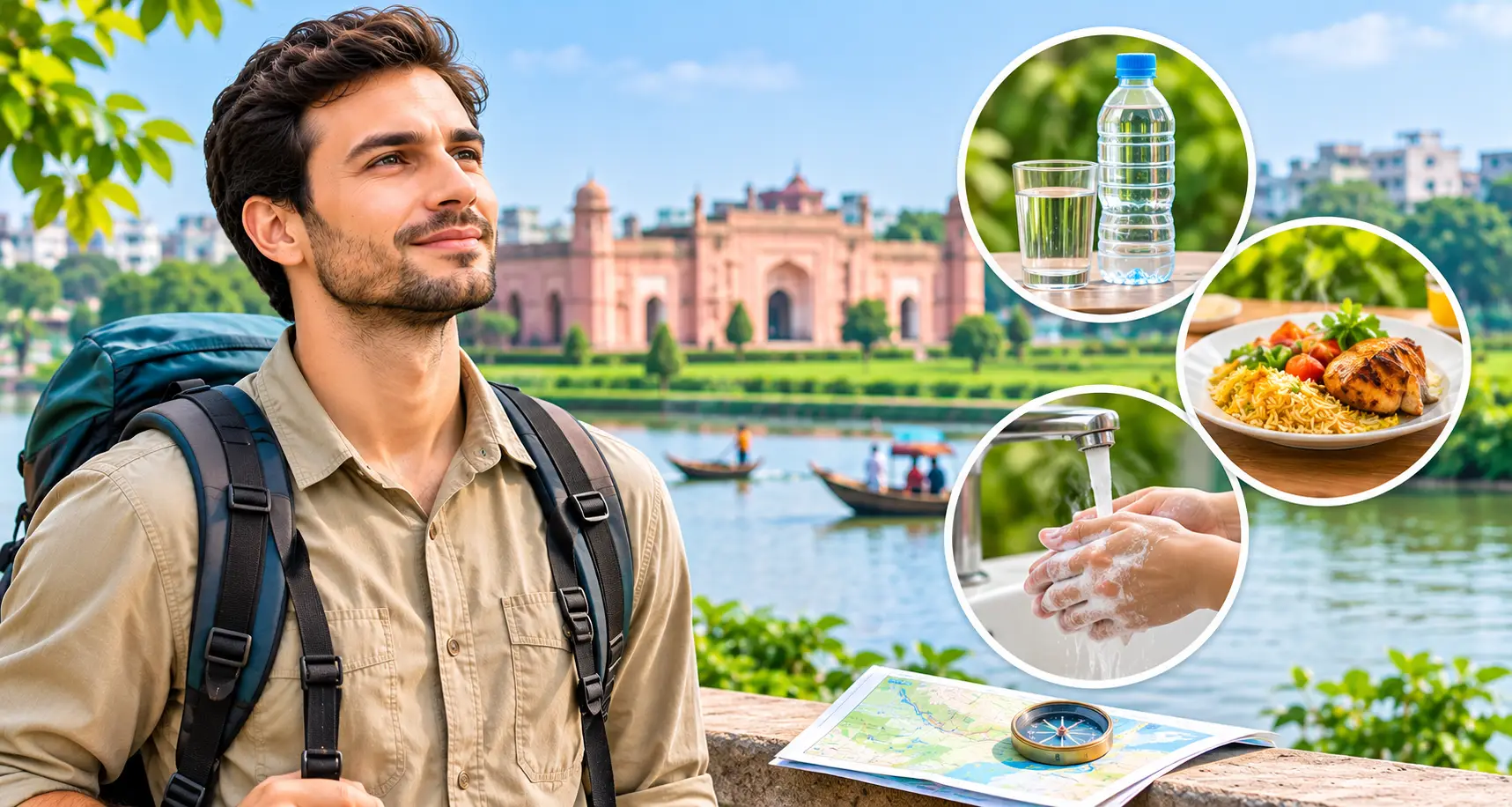
Safe drinking water, hygienically prepared food, handwashing and prompt action if severe diarrhoea develops are the main precautions. Vaccination, when advised, adds protection but never replaces these measures.
What Water Is Safer to Drink During an Outbreak?
Choose reliably treated or boiled water, or commercially sealed water from a trustworthy source where local water safety is uncertain. Avoid assuming that clear water is free of harmful bacteria or that a household filter necessarily makes it safe.
Can Ice and Freshly Prepared Drinks Transmit Cholera?
Yes. Drinks and ice made with contaminated water may expose travellers even when the beverage looks fresh. A sealed drink without added ice can be an easier option when you cannot establish how water was handled.
Which Foods Can Help Reduce Exposure?
Freshly cooked food served hot is a sensible choice, alongside hygienic preparation and appropriate storage. Be more cautious with raw items, sauces or uncooked garnishes prepared using water of uncertain quality.
Why Is Handwashing Important?
Soap and safe water remove contamination that could otherwise pass from hands to food or eating utensils. Wash after using the toilet and before preparing or eating food, particularly in settings with limited sanitation.
Does Cholera Vaccination Replace Food and Water Precautions?
No. Oral vaccines cannot prevent every case, and they do not protect against all other infections acquired through contaminated food or water.
Research note: Water disinfection depends on more than adding chlorine. WHO guidance explains that colder water can require longer contact time, water above pH 8 can make chlorine less effective, and organic matter can consume available chlorine. These are reasons to use verified safe drinking-water sources rather than attempting unverified treatment methods. An unsupported claim that acidic pH cancels chlorine or that protein always reduces effectiveness by a fixed 80% should not be used.
What Are the Symptoms of Cholera, and When Is Medical Care Needed?
Cholera can cause profuse watery diarrhoea and vomiting. Severe infection may lead to dangerous dehydration within hours, so prompt medical help is essential when symptoms are substantial.
What Symptoms Should Travellers Recognise Early?
Watery diarrhoea, nausea or vomiting and increasing thirst can occur. Many infections are mild or do not cause noticeable symptoms, but a rapid loss of fluids is a warning sign.
What Signs Suggest Serious Dehydration?
Very little urine, marked weakness, dizziness, confusion or inability to drink enough fluid are concerning. A person who is collapsing or having difficulty staying conscious needs emergency care.
Can Oral Rehydration Solution Help?
Yes. Correctly prepared oral rehydration solution replaces water and salts lost through diarrhoea and is central to treatment, but severe cases may need intravenous fluids and medical supervision.
Should Travellers Wait Until They Return to the UK for Treatment?
No. Suspected severe cholera requires urgent local assessment. Tell the clinician where you have travelled and whether there have been reports of cholera near your accommodation or activities.
Can Every Episode of Travellers’ Diarrhoea Be Assumed to Be Cholera?
No. Many infections can cause diarrhoea, and symptoms alone cannot reliably identify cholera. Severity, dehydration and the person’s condition determine the urgency of care while clinicians investigate the cause.
Have There Been Major Cholera Outbreaks in India in Previous Years?
Yes. India has documented local outbreaks and historical cholera epidemics, but a past event should never be treated as proof of active transmission today.
What Can Historical Outbreak Investigations Tell Travellers?
They can illustrate how contaminated water, sanitation failures and delayed recognition contribute to transmission. They cannot establish the current risk at an individual address or hotel.
Are 2024 and 2025 Reports Evidence of an Outbreak Today?
No. Reports from those years describe earlier events. Their date and location should be stated clearly, and current advice should be based on newer surveillance whenever available.
Should This Article Cover the Cholera Pandemics of the 1800s and 1900s?
Only briefly, if at all. Historical pandemic research serves a different search need from practical UK traveller guidance about outbreaks, exposure and vaccination in present-day India.
How Should UK Travellers Prepare if an Outbreak Is Reported Near Their Destination?
Check whether the report concerns the places you actually plan to visit, confirm its date and obtain official local and UK travel-health advice. A reported case elsewhere in India does not automatically require changing an itinerary.
Should You Cancel Your Trip Because Cholera Cases Are Reported?
Not automatically. Consider the scale and location of transmission, access to clean water and healthcare, personal health and any official travel restrictions or advice before deciding.
What Information Should You Gather Before Departure?
Record the districts and accommodation you will use, how drinking water is supplied, whether recent flooding affected services and where you could obtain medical care. Outbreak reports should be checked against the trip’s actual route.
When Is a Pre-Travel Assessment Especially Useful?
It is particularly useful for aid work, remote stays, difficult-to-change accommodation or medical conditions that could increase the consequences of severe diarrhoea. Seek advice in advance where possible, but a late consultation can still help.
Does Cholera Outbreak Advice Replace Other India Vaccination Planning?
No. Cholera is only one possible exposure. Wider travel vaccinations for India depend on routine immunisations, destinations, trip length and activities, so individual advice should look beyond a single outbreak headline.
Is Cholera Risk Different From Typhoid Risk in India?
Yes. Cholera and typhoid may both spread through contaminated food or water, but they are caused by different bacteria and have different vaccine recommendations.
Are Cholera and Typhoid Caused by the Same Organism?
No. Cholera is caused by toxin-producing Vibrio cholerae, whereas typhoid fever is caused by Salmonella Typhi.
Can the Same Food and Water Precautions Help Prevent Both?
Yes. Safe water, thoroughly cooked food and good hand hygiene reduce exposure to several food- and waterborne infections, although no precaution can remove every risk.
Does Typhoid Vaccination Protect Against Cholera?
No. A typhoid vaccine does not protect against cholera. Practical food and water safety after typhoid vaccination in India remains important because vaccination does not prevent every illness acquired through contaminated food or water.
Frequently Asked Questions About Cholera Outbreaks in India
Is There a Cholera Outbreak in India in 2026?
India has reported cholera or acute watery diarrhoea cases during 2026, but the reviewed sources do not establish a nationwide active outbreak. For the latest local situation, check dated WHO and Indian public-health surveillance reports before travelling.
Which Parts of India Have Reported Cholera Outbreaks?
Local outbreaks have been documented in different Indian districts over time. A past district report is not a present-day risk designation, so verify any current alert by date and location.
Are UK Tourists at High Risk of Cholera in India?
Most UK tourists have a low risk. Exposure may be greater when visiting a local outbreak area without reliable safe water, sanitation or medical care.
Do I Need a Cholera Vaccine for India?
Most visitors do not routinely need it. Vaccination may be appropriate for selected travellers, particularly those working in outbreak-affected settings or travelling with limited access to clean water and treatment.
Can Cholera Spread Through Drinking Water in India?
Yes. Drinking water contaminated with toxigenic Vibrio cholerae can transmit cholera. Using safe water is a central prevention measure.
Can Cholera Outbreaks Occur After Flooding?
Yes. Flooding can damage water and sanitation systems and contribute to transmission if drinking-water sources become contaminated. Flooding alone does not prove that an outbreak is taking place.
Is Cholera the Same as Travellers’ Diarrhoea?
No. Cholera is a specific bacterial infection; travellers’ diarrhoea is a broader term for diarrhoeal illness caused by several possible infections.
Can You Still Get Cholera After Vaccination?
Yes. Cholera vaccines reduce risk but are not completely protective, so safe water, food and hygiene measures still matter.
Is Cholera Vaccination Required to Enter India?
Cholera vaccination is not a general entry requirement for UK travellers going to India. Other entry rules may depend on the travel route and should be checked separately.
Key Advice for UK Travellers Concerned About Cholera in India
Most UK travellers do not need cholera vaccination solely because cases have been reported in India. The more useful decision is whether an up-to-date, geographically relevant alert intersects with your actual accommodation, water supply, activities or access to care.
If the trip involves humanitarian work, a documented outbreak location or limited safe water and healthcare, a qualified travel-health professional can assess whether additional protection is appropriate. Everyone should continue sensible food, drinking-water and hand hygiene precautions.
Medical Information
This article provides general travel-health information and is not a personalised clinical assessment. Surveillance figures and outbreak locations can change; the publication date of a report may be later than the period it covers. Medical advice, vaccine suitability and treatment decisions depend on individual circumstances and current official guidance.
Sources used for this draft include TravelHealthPro’s India and cholera guidance, WHO cholera situation reporting and fact sheets, NHS cholera advice, the UK Health Security Agency’s travel-associated infection report and Indian public-health surveillance. No individual clinical reviewer is attributed pending genuine review and approval of the final copy.
About the Author