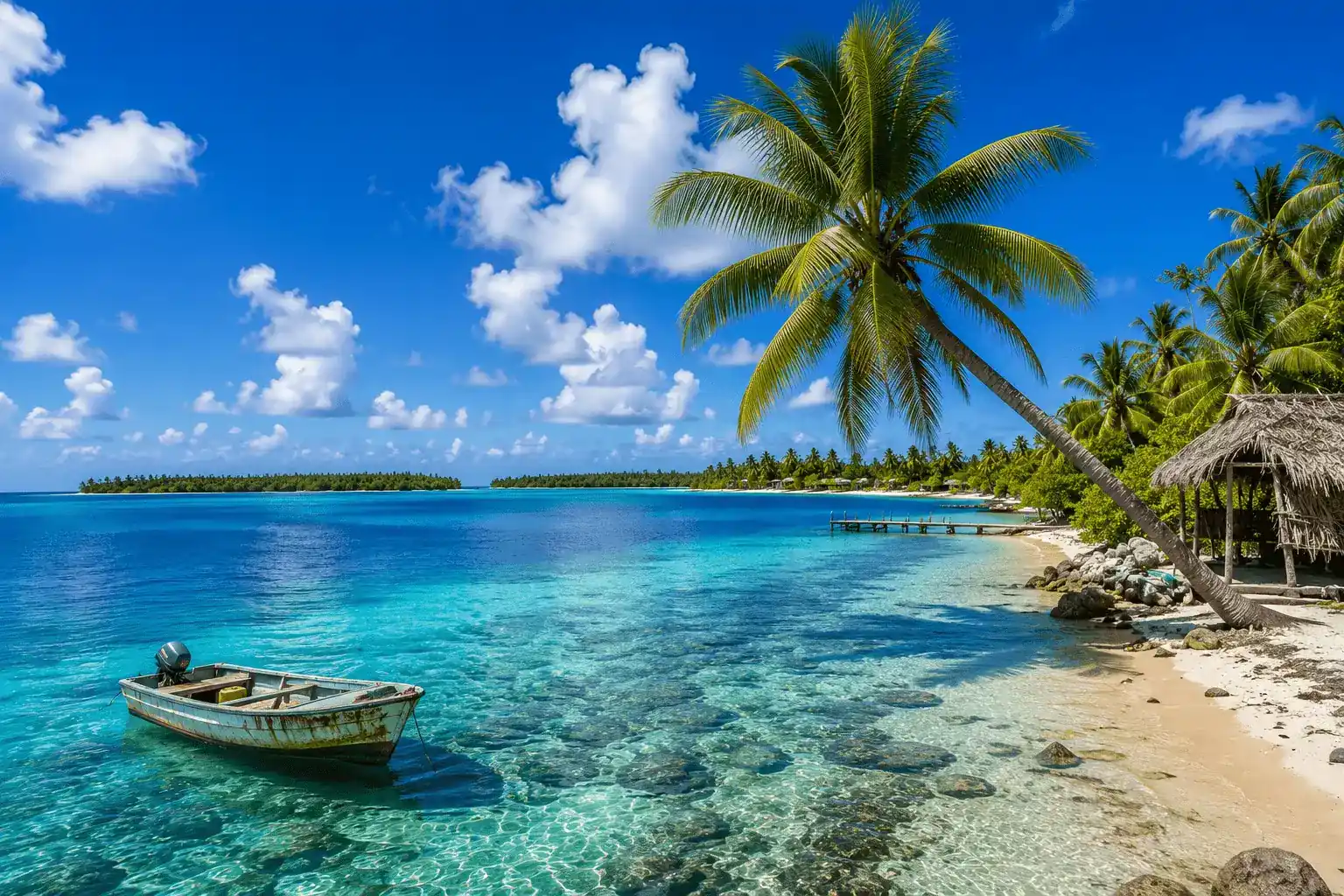
The Maldives is a popular Indian Ocean destination visited for beach holidays, honeymoons, luxury resort stays, diving, snorkelling, cruises, family holidays, business travel, island-hopping and long-stay travel. Popular areas and routes may include Malé, Hulhumalé, Maafushi, Addu City, Baa Atoll, Ari Atoll, North Malé Atoll, South Malé Atoll, Lhaviyani Atoll, local islands, resort islands and liveaboard diving routes.
Travel-health advice for the Maldives should still be taken seriously, even though many travellers stay in well-managed resort settings. Travellers may face risks from dengue, chikungunya, Zika virus, food and waterborne illness, typhoid, hepatitis A, hepatitis B, animal or bat exposure, heat, sunburn, dehydration, swimming and diving injuries, limited emergency healthcare access on remote islands and medication availability issues.
The FCDO advises travellers to check the latest vaccine recommendations before travelling to the Maldives and to make sure their destination can provide the healthcare they may need. It notes that medical facilities are limited, with the only fully equipped hospitals in Malé and Hulhumalé, and that many resort islands may be several hours away from emergency treatment. (GOV.UK)
Vaccines commonly discussed for the Maldives include routine UK vaccines and tetanus. Some travellers may also need hepatitis A, typhoid, hepatitis B, rabies-related advice for bat exposure, dengue vaccine assessment or other vaccines depending on itinerary, medical history, travel style and planned activities.
The NHS recommends seeking travel vaccine advice ideally 4–6 weeks before travel, because some vaccines need time to work and some require multiple doses. (NHS)
Quick Maldives Travel Vaccination Summary
Maldives guidance summary
Routine UK vaccines, Tetanus / Diphtheria / Polio
Hepatitis A, Typhoid, Hepatitis B, Rabies advice for bat exposure, Dengue vaccine assessment in selected cases
Not normally a concern for Maldives-only travel; malaria tablets are not usually needed
Required only for some travellers arriving from or transiting through yellow fever risk countries
Mosquito-bite prevention is important, especially daytime bite avoidance
Usually lower on resort islands, but hepatitis A and typhoid may be discussed for higher-risk travel
Limited outside Malé and Hulhumalé; emergency care may be several hours away from resort islands
Heat, sun exposure, swimming, diving, water sports and dehydration should be considered
Ideally 4–6 weeks before travel, earlier for complex trips or medical conditions
Book your Maldives travel vaccination consultation

- Review your Maldives itinerary, including Malé, Hulhumalé, Maafushi, Addu City, Baa Atoll, Ari Atoll, North Malé Atoll, South Malé Atoll, Lhaviyani Atoll, local islands, resort islands and liveaboard diving routes
- Discuss routine UK vaccines, tetanus, hepatitis A, typhoid, hepatitis B, rabies-related advice for bat exposure, dengue vaccine assessment, mosquito-bite prevention and travel-health precautions
- Get tailored advice based on your accommodation, activities, diving or snorkelling plans, medical history, children, pregnancy, immune status, medication needs and onward travel

Check Travel Vaccination Prices Before Your Appointment
View the latest travel vaccination price guide before booking your Maldives travel-health consultation.
Review vaccine pricing in one dedicated place before arranging your travel health appointment.
Use the price guide to prepare for vaccines that may be discussed during your consultation.
Do I Need Vaccinations for Maldives?
Most travellers to the Maldives should have a travel-health consultation before departure. The vaccines you may need depend on your itinerary, medical history, previous vaccinations, accommodation, activities and whether you are staying only on a resort island or spending time on local islands.
A clinician will usually consider:
- where in the Maldives you are travelling
- whether you are staying on a resort island, local island, liveaboard or in Malé
- whether you are visiting multiple atolls
- how long you will stay
- whether you are travelling for honeymoon, tourism, work, diving, volunteering, family visits or long-stay travel
- whether you will be eating mostly resort food or local food
- whether you may have contact with animals or bats
- whether you are diving, snorkelling, surfing, boating or doing water sports
- whether you may need medical or dental treatment abroad
- your previous vaccine history
- your age and medical background
- whether you are pregnant or immunocompromised
- whether you are travelling with children
- whether you are travelling onward to Sri Lanka, India, the Middle East, Africa or another destination with different vaccine rules
A short luxury resort stay may carry different health risks from backpacking on local islands, staying in guesthouses, taking public ferries, working locally, travelling with children or spending time on a liveaboard.
Recommended Travel Vaccines for Maldives
The following vaccines are commonly discussed for the Maldives. Not every traveller will need every vaccine, so advice should be based on your personal risk and current official guidance.
Routine UK Vaccines
Before travelling to the Maldives, check whether your routine UK vaccinations are up to date. Routine vaccines help protect against infections that may still occur during international travel.
Tetanus, Diphtheria and Polio Vaccine
Tetanus is one of the main vaccine considerations for the Maldives.
Hepatitis A Vaccine
Hepatitis A vaccine may be considered for some travellers to the Maldives depending on activities, accommodation, food exposure and medical history.
Typhoid Vaccine
Typhoid vaccine may be considered for travellers to the Maldives whose itinerary or food and water exposure increases risk.
Hepatitis B Vaccine
Hepatitis B vaccine may be considered for travellers at increased risk of exposure to blood or body fluids.
Rabies is not reported in the Maldives in the same way as in many higher-risk destinations. However, bats may carry bat lyssavirus, which can cause a rabies-like illness. For most standard travellers, the risk is low.
Routine UK Vaccines
Before travelling to the Maldives, check whether your routine UK vaccinations are up to date. Routine vaccines help protect against infections that may still occur during international travel.
Routine checks may include:
- measles, mumps and rubella
- diphtheria, tetanus and polio
- chickenpox, if not immune
- seasonal flu, depending on risk and timing
- COVID-19, depending on current guidance
- other age-based UK vaccines
This is especially important for:
- children
- older travellers
- pregnant travellers
- immunocompromised travellers
- travellers with uncertain vaccine records
- people vaccinated overseas whose records are unclear
- long-stay travellers
- people travelling to several countries on the same trip
If you are unsure about your vaccination history, bring any records to your travel-health appointment.
Tetanus, Diphtheria and Polio Vaccine
Tetanus is one of the main vaccine considerations for the Maldives.
Tetanus bacteria can enter the body through cuts, scratches, burns, puncture wounds or injuries contaminated with soil, dust or dirt. This can be relevant for travellers who may be walking barefoot, cycling, doing water sports, fishing, working outdoors, staying on local islands or taking part in activities where minor injuries are possible.
A tetanus-containing booster may be discussed if your vaccination history is incomplete or not current. In the UK, tetanus protection for travellers is commonly given as a combined diphtheria, tetanus and polio vaccine.
This may be especially relevant if you may be:
- staying on local islands
- doing outdoor activities
- walking on beaches, coral or uneven surfaces
- taking part in water sports
- working outdoors
- at risk of cuts, wounds or burns
- travelling for a long period
- travelling onward to higher-risk destinations
- unsure whether you completed your routine vaccine schedule
Good wound care remains important. Clean cuts thoroughly and seek medical advice for deep wounds, burns, animal bites, coral cuts or injuries that become red, swollen or painful.
Hepatitis A Vaccine
Hepatitis A vaccine may be considered for some travellers to the Maldives depending on activities, accommodation, food exposure and medical history.
Hepatitis A can spread through contaminated food and water or close contact with an infected person. Resort travellers eating in higher-standard accommodation may have lower risk, but travellers staying on local islands, eating local food regularly or travelling for longer periods may have more exposure.
Hepatitis A vaccination may be especially relevant if you are:
- staying on local islands or in guesthouses
- eating locally prepared food regularly
- travelling for a long period
- visiting friends or relatives
- travelling with children
- staying outside higher-standard resort accommodation
- working or volunteering locally
- travelling where safe water access may be less reliable
- living with liver disease or another medical risk factor
- travelling onward to higher-risk countries
Hepatitis A vaccination can reduce risk, but travellers should still follow careful food and water hygiene.
Typhoid Vaccine
Typhoid vaccine may be considered for travellers to the Maldives whose itinerary or food and water exposure increases risk.
Typhoid spreads through contaminated food and water. Travellers with reliable access to safe food and water are usually at lower risk, but risk may increase with local island stays, long-stay travel, guesthouse stays, frequent local eating or travel where sanitation may be less reliable.
Typhoid vaccination may be more relevant for:
- long-stay travellers
- frequent travellers
- travellers staying on local islands
- people visiting friends and relatives
- backpackers or budget travellers
- travellers eating local food regularly
- people staying in basic accommodation
- travellers with uncertain access to safe food and water
- laboratory workers who may handle typhoid bacteria
Typhoid vaccination helps reduce risk, but it does not replace safe food and water precautions.
Hepatitis B Vaccine
Hepatitis B vaccine may be considered for travellers at increased risk of exposure to blood or body fluids.
This may include:
- healthcare workers
- aid or volunteer workers
- long-stay travellers
- people who may need medical or dental treatment abroad
- travellers with higher-risk sexual exposure
- people considering tattoos, piercings or cosmetic procedures abroad
- people involved in contact sports
- people with existing medical conditions who may require hospital care
- frequent travellers
Hepatitis B can spread through sexual contact, contaminated needles, medical or dental procedures, tattooing, piercing and blood exposure.
Travellers should avoid unsterile equipment, avoid sharing needles or razors, practise safer sex and seek reliable medical care if treatment is needed.
A clinician can advise whether hepatitis B vaccination is suitable for your Maldives trip.
Rabies and Bat Lyssavirus Advice
Rabies is not reported in the Maldives in the same way as in many higher-risk destinations. However, bats may carry bat lyssavirus, which can cause a rabies-like illness. For most standard travellers, the risk is low.
Rabies vaccination may be discussed for travellers with specific bat-exposure risk, including:
- bat handlers
- veterinarians
- wildlife workers
- laboratory workers handling rabies-related viruses
- cavers or people entering places where bats may be present
- travellers whose work or activities may involve bats
- people staying long term in settings where bat contact may occur
Most resort travellers do not need pre-travel rabies vaccination for the Maldives. However, travellers should avoid touching bats, unknown animals or sick animals.
After any possible bat exposure, animal bite, scratch or saliva contact with broken skin, travellers should:
- wash the area thoroughly with soap and running water
- seek urgent medical advice locally
- explain the exposure clearly
- contact their travel insurer or medical assistance provider if needed
- seek follow-up care when back in the UK if advised
Even if pre-travel rabies vaccination has been given, urgent medical assessment is still needed after possible exposure.
Dengue Fever Vaccine and Dengue Advice
Dengue is an important health risk in the Maldives. It is spread by mosquitoes that often bite during daytime hours and may be present in towns, local islands, resort areas and around standing water.
Dengue can cause fever, headache, muscle and joint pain, rash and flu-like illness. Severe dengue is rare in travellers but can be serious.
Dengue vaccination is not suitable or necessary for every traveller. It may be considered for selected people aged 4 years and older who have had dengue infection before and are travelling to an area where dengue risk or an outbreak is present. In exceptional circumstances, vaccination may be considered in people without previous dengue infection, but this requires specialist assessment.
For most travellers, mosquito-bite prevention is the main advice.
Travellers should consider:
- using insect repellent regularly
- applying repellent during the day as well as evening
- wearing long sleeves and trousers where practical
- staying in screened or air-conditioned accommodation
- avoiding areas with standing water
- using mosquito nets where needed
- taking extra care on local islands and in towns
- seeking medical advice for fever during or after travel
Do not take aspirin or ibuprofen for fever after possible dengue exposure unless advised by a healthcare professional, because of bleeding-risk concerns. Seek medical advice promptly if you develop fever, severe headache, rash, abdominal pain, persistent vomiting, bleeding or unusual drowsiness.
Chikungunya Advice for Maldives
Chikungunya is another mosquito-borne infection reported in the Maldives. It is spread by mosquitoes that mainly bite during daytime hours.
Chikungunya can cause fever, rash, muscle pain and severe joint pain. Joint symptoms can sometimes last for weeks or months.
A chikungunya vaccine may be considered only for selected travellers in specific circumstances, such as long-term or frequent travel to regions with increased risk, travel to an area with a current outbreak or occupational exposure to the virus. For most travellers, mosquito-bite prevention is the main advice.
To reduce risk:
- use insect repellent during the day
- wear protective clothing where practical
- stay in screened or air-conditioned rooms
- avoid mosquito breeding areas
- take extra care around standing water
- seek medical advice if fever or severe joint pain develops
Zika Virus and Pregnancy Advice
Zika virus risk is reported in the Maldives. Zika is spread mainly by mosquitoes that bite during the daytime, and it can also be sexually transmitted.
Most people with Zika have mild symptoms or no symptoms, but Zika infection during pregnancy can cause serious complications for the baby. Pregnant travellers and those planning pregnancy should seek specialist advice before travelling.
Travellers should consider:
- strict mosquito-bite prevention during the day and evening
- discussing travel suitability if pregnant
- seeking advice if planning pregnancy soon after travel
- following current guidance on avoiding conception after possible exposure
- using condoms as advised after travel if there is possible Zika exposure
There is no routine vaccine or medication to prevent Zika infection, so bite prevention and pregnancy-related advice are important.
Malaria Advice for Maldives
Malaria tablets are not normally needed for Maldives-only travel. This is different from many tropical destinations where malaria prevention can be a major part of travel-health planning.
However, travellers should not ignore mosquito-bite prevention. Dengue, chikungunya and Zika can still be spread by mosquitoes in the Maldives, and these infections are not prevented by malaria tablets.
If the Maldives is part of a wider trip, your clinician should check whether malaria advice is needed for other destinations, such as parts of Africa, South Asia or Southeast Asia.
A travel-health assessment should consider:
- whether you are travelling only to the Maldives
- whether you are stopping over in another country
- whether you are travelling onward to a malaria-risk area
- length of stay
- accommodation type
- pregnancy status
- medical history
- access to urgent medical care
A fever during or after travel should still be taken seriously. Tell a healthcare professional where you travelled and whether you visited any malaria-risk countries before or after the Maldives.
Yellow Fever Certificate Advice for Maldives
There is no risk of yellow fever in the Maldives, so yellow fever vaccination is not recommended for Maldives-only travel.
However, there is a yellow fever certificate requirement for some travellers. Under International Health Regulations, travellers aged 9 months or older may need a yellow fever vaccination certificate if they are arriving from a country with risk of yellow fever transmission, or if they have transited for more than 12 hours through an airport in a yellow fever risk country.
Check certificate requirements carefully if:
- you are arriving from a yellow fever risk country
- you are transiting through Africa or South America
- you have a multi-country itinerary
- you are travelling onward from the Maldives
- you have a medical reason why yellow fever vaccination may not be suitable
- you are travelling with an infant or child
Yellow fever vaccine is only available from designated centres and is not suitable for everyone. Bring your full itinerary to your travel-health appointment.
Food and Water Safety in Maldives
Food and water precautions are important for the Maldives, especially for travellers staying on local islands, eating local food regularly, staying in guesthouses or travelling for longer periods.
Resort food and water standards may be higher, but stomach illness can still occur anywhere.
To reduce risk:
- drink bottled, boiled or properly treated water where needed
- avoid ice unless you are confident it is safe
- eat food that is freshly cooked and served hot
- be careful with buffet food that has been left uncovered
- avoid raw or undercooked food where possible
- peel fruit yourself where needed
- wash or sanitise hands regularly
- take care with seafood
- avoid unpasteurised dairy products
- carry oral rehydration salts for diarrhoea
Vaccines such as hepatitis A and typhoid can reduce some risks, but they do not replace safe food and water precautions.
Sun, Heat and Dehydration in Maldives
The Maldives has a hot tropical climate, and sun exposure can be intense. Travellers may spend long periods outdoors, on boats, beaches or in the water, where sunburn and dehydration can happen quickly.
Travellers should consider:
- strong sun exposure
- heat exhaustion
- dehydration
- sunburn while swimming or snorkelling
- alcohol-related dehydration
- reduced shade on boats and beaches
- higher risk for babies, older travellers and people with medical conditions
Practical precautions include:
- using high-factor sunscreen
- reapplying sunscreen after swimming
- wearing a hat and sunglasses
- drinking enough water
- avoiding too much alcohol in hot weather
- resting in shade during the hottest parts of the day
- using UV-protective swimwear where helpful
- watching children carefully for dehydration
Symptoms such as dizziness, confusion, weakness, fainting, severe headache or reduced urination should be taken seriously.
Diving, Snorkelling and Water-Sports Health Advice
The Maldives is a major destination for diving, snorkelling, surfing, sailing and water sports. Travellers should plan carefully because emergency care and specialist treatment may be delayed on remote islands.
Consider:
- diving fitness
- travel insurance that covers diving and water sports
- access to emergency evacuation
- coral cuts and wound infection
- ear and sinus problems
- jellyfish or marine stings
- boat injuries
- dehydration before diving
- flying after diving
- medication that may affect diving safety
Travellers should follow professional diving guidance, avoid alcohol before diving, use reputable operators and check whether their insurance covers the exact activities planned.
Seek urgent medical attention for chest pain, breathlessness, confusion, weakness, severe dizziness, neurological symptoms or symptoms after diving.
Healthcare and Travel Insurance in Maldives
Healthcare planning is very important for the Maldives. The FCDO states that medical facilities are limited, with the only fully equipped hospitals in Malé and Hulhumalé. Most resort islands are within reach of a doctor or have their own medical facilities, but many may be several hours away from emergency treatment.
Before travelling, consider:
- whether your travel insurance is valid for the Maldives
- whether your policy covers medical evacuation
- whether your policy covers diving, snorkelling, surfing and water sports
- whether your policy covers resort transfer costs in an emergency
- how you would access urgent medical care from a remote island
- whether you have enough prescription medication
- whether you need medicine documentation
- whether your resort has a doctor or clinic
- whether you have accessible funds for emergency treatment
- whether you know the emergency medical number
In the Maldives, the emergency medical number is 102.
This is particularly important for travellers with existing medical conditions, pregnant travellers, children, older travellers, divers and long-stay visitors.
Medication and Prescription Planning for Maldives
The legal status and regulation of some medicines can differ between countries. Travellers should check rules before travel, especially for controlled medicines, strong painkillers, sleeping tablets, ADHD medication, anxiety medication or medicines containing codeine.
Before travelling, consider:
- carrying enough medication for your full trip
- keeping medicines in original packaging
- carrying a copy of your prescription
- taking a doctor’s letter for controlled or specialist medicines
- packing essential medicine in hand luggage
- checking airline rules for liquids, needles and medical devices
- checking storage requirements for temperature-sensitive medicines
- carrying spare medication in case of flight or boat-transfer delays
Do not assume that a UK prescription can easily be replaced on a resort island.
Routine Vaccines to Check Before Maldives Travel
Before travelling, check whether your routine UK vaccinations are up to date. Routine vaccine checks may include:
- measles, mumps and rubella
- diphtheria, tetanus and polio
- chickenpox, if not immune
- seasonal flu, depending on risk and timing
- COVID-19, depending on current guidance
- other age-based UK vaccines
This is especially important if you are travelling with children, have uncertain vaccine records, are immunocompromised or are travelling to multiple countries.
Special Advice for Higher-Risk Travellers
Resort Travellers
Resort travellers may have lower food and water risk than travellers staying in basic accommodation, but they should still consider routine vaccine checks, tetanus, dengue prevention, travel insurance, sun protection, water safety and emergency access.
Local Island and Guesthouse Travellers
Travellers staying on local islands may have more exposure to local food, mosquitoes, transport risks and variable healthcare access. Hepatitis A, typhoid, mosquito-bite prevention and medical planning may be more relevant.
Divers and Liveaboard Travellers
Divers and liveaboard travellers should check insurance carefully, including diving depth limits, decompression cover, evacuation, boat transfers and emergency treatment. They should also plan for wound care, dehydration prevention and flying-after-diving rules.
Long-Stay Travellers
Long stays may increase exposure to food and water risks, mosquitoes, healthcare needs, sexual-health risks and medication issues. Hepatitis B, hepatitis A, typhoid and dengue prevention may be more relevant depending on itinerary.
Visiting Friends and Relatives
Travellers visiting friends or relatives may stay longer, eat more local food and spend more time outside tourist resorts. They should still seek travel-health advice, even if they have visited the Maldives before.
Children
Children should have routine vaccinations checked carefully. They may be more likely to suffer dehydration, mosquito bites, sunburn, diarrhoea, cuts, coral injuries or swimming-related accidents.
Pregnant or Immunocompromised Travellers
Pregnant or immunocompromised travellers should seek specialist advice before travel. Some vaccines may not be suitable, and the risks from dengue, Zika, dehydration, foodborne illness or limited emergency access may be higher.
Travellers with Medical Conditions
Travellers with heart disease, diabetes, asthma, epilepsy, allergies, immune conditions, mobility issues or mental health conditions should plan carefully. Remote resort settings may make urgent care or medicine replacement more difficult.
When Should I Book Travel Vaccinations for Maldives?
Ideally, book your Maldives travel vaccination appointment 4–6 weeks before travel. The NHS recommends seeking travel-health advice at least 4–6 weeks before travel where possible.
This allows time to:
- review your vaccine history
- complete vaccine courses where needed
- assess tetanus booster needs
- discuss hepatitis A and typhoid risk
- consider hepatitis B vaccination
- review rabies or bat-exposure risk
- assess dengue vaccine suitability in selected cases
- check yellow fever certificate needs
- discuss mosquito-bite prevention
- review food and water precautions
- prepare advice for children, pregnancy or medical conditions
- plan medication, insurance and emergency healthcare access
If travelling sooner, still seek advice. Some vaccines, mosquito-bite precautions, medicine planning and insurance checks may still be useful at short notice.
Book Travel Vaccinations for Maldives with TravelJabs4U
TravelJabs4U can help you review your Maldives itinerary and discuss suitable travel-health precautions.
During your appointment, you can discuss:
- your travel dates
- where in the Maldives you will stay
- whether you are staying on a resort island, local island or liveaboard
- routine vaccine history
- tetanus booster needs
- hepatitis A vaccination
- typhoid vaccination
- hepatitis B vaccination
- rabies or bat-exposure risk
- dengue and mosquito-bite prevention
- yellow fever certificate needs
- food and water precautions
- diving, snorkelling and water-sports risks
- travel with children
- pregnancy or immune system concerns
- travel insurance and healthcare planning
- medication and prescription planning
FAQs About Maldives Travel Vaccinations
What vaccinations do I need for the Maldives?
Vaccines depend on your itinerary, length of stay, medical history and previous vaccinations. Commonly discussed vaccines include routine UK vaccines and tetanus. Some travellers may also discuss hepatitis A, typhoid, hepatitis B, rabies advice for bat exposure and dengue vaccine assessment depending on risk.
Do I need hepatitis A vaccine for the Maldives?
Hepatitis A vaccine may be considered depending on your food and water exposure, accommodation, medical history and travel style. It may be more relevant for local island stays, long-stay travel, guesthouse stays or travellers eating local food regularly.
Do I need typhoid vaccine for the Maldives?
Typhoid vaccine may be considered for higher-risk travellers, especially those staying on local islands, travelling for longer periods, eating local food regularly or staying in basic accommodation.
Do I need malaria tablets for the Maldives?
Malaria tablets are not normally needed for Maldives-only travel. However, if you are visiting other countries before or after the Maldives, your full itinerary should be assessed separately.
Is dengue a risk in the Maldives?
Yes. Dengue is a risk in the Maldives and is spread by mosquitoes that often bite during daytime hours. Mosquito-bite prevention is important. Dengue vaccination is only considered in selected circumstances after clinical assessment.
Is Zika a risk in the Maldives?
Yes, Zika virus risk is reported in the Maldives. Pregnant travellers and those planning pregnancy should seek advice before travel because Zika can have pregnancy-related complications.
Is chikungunya a risk in the Maldives?
Yes, chikungunya risk is reported in the Maldives. It is spread by daytime-biting mosquitoes and can cause fever and severe joint pain. Bite prevention is the main precaution for most travellers.
Do I need rabies vaccine for the Maldives?
Most travellers are considered low risk because rabies has not been reported in the Maldives. However, bats may carry bat lyssavirus. Rabies vaccination may be discussed for travellers whose work or activities put them at increased risk of bat exposure.
Do I need yellow fever vaccine for the Maldives?
Yellow fever vaccine is not needed for Maldives-only travel because there is no yellow fever risk in the Maldives. However, a yellow fever certificate may be required if you arrive from or transit for more than 12 hours through a yellow fever risk country.
When should I book Maldives travel vaccinations?
Book ideally 4–6 weeks before travel. If travelling sooner, still seek advice because some vaccines, dengue prevention advice, medication planning and insurance checks may still be useful.
Reviewed by Our Medical Expert